If Aruba’s north side feels too polished or too busy for the way you want to live, San Nicolas may deserve a closer look. This is the part of the island where murals, local businesses, and nearby beaches shape the experience more than resorts do. If you are thinking about buying in San Nicolas, understanding its character, property patterns, and approval process can help you make a smarter move. Let’s dive in.
Why San Nicolas Feels Different
San Nicolas stands apart from Aruba’s resort-heavy north. Official tourism and investment sources describe it as Aruba’s cultural capital, the island’s second-largest city, and the Street Art Capital of the Caribbean. It sits on the southeast side of Aruba, about 30 minutes from Oranjestad.
That identity matters when you start your property search. San Nicolas is not defined by large hotel zones or a classic resort-strip feel. Aruba Tourism notes that there are no resorts in San Nicolas, which gives the area a quieter, more local rhythm.
Art and Culture Shape the Market
San Nicolas’s creative identity is not just branding. Aruba Tourism says the mural program began transforming the area in 2016, and ArtisA serves as a center for art in San Nicolas and the home base for Aruba Mural Tours. The Government of Aruba also continues to support mural work and workshops, showing that creative placemaking remains part of the city’s current direction.
For you as a buyer, that helps explain why San Nicolas feels more layered than a typical beach destination. The area blends culture, walkability, public art, and neighborhood-scale commerce. That can appeal if you want a property in a place with personality and an evolving public realm.
What Buyers Can Expect in Downtown
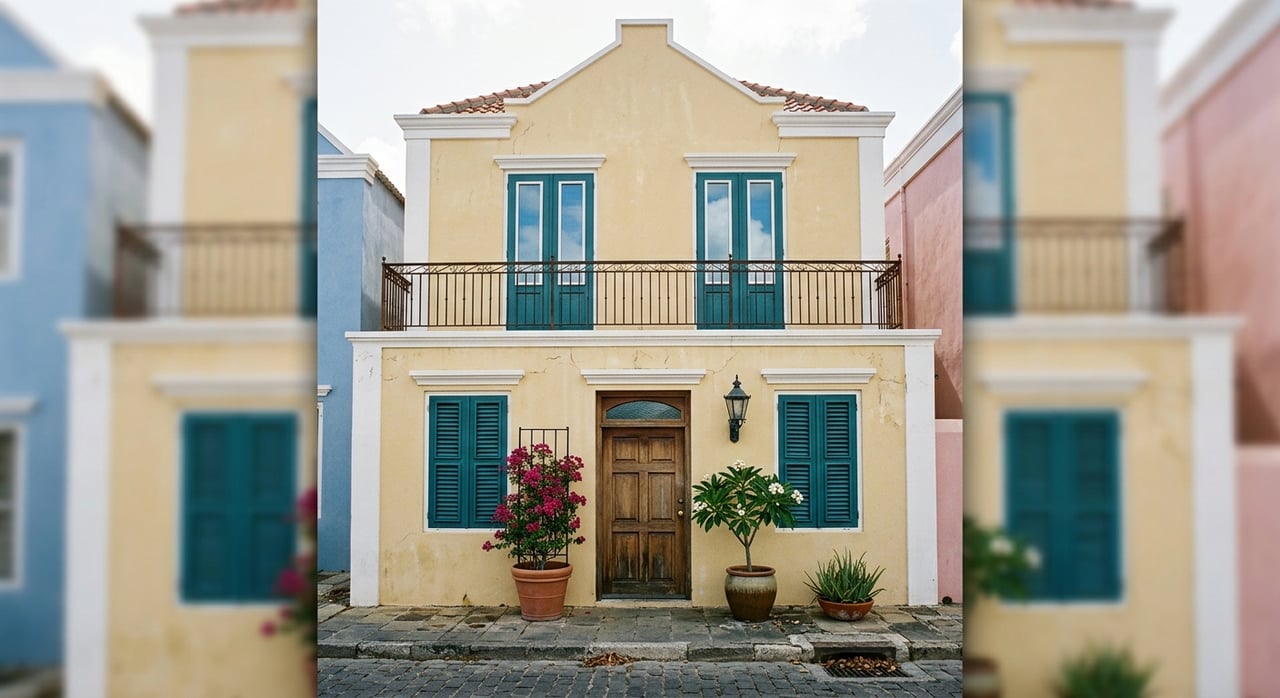
The downtown core is the strongest fit for buyers looking at urban-style properties, renovation potential, or live-work possibilities. Aruba Tourism describes the center as a promenade with an art gallery, stores, snack shops, restaurants, bars, and historic buildings with architectural interest. That pattern suggests a more compact, mixed-use environment rather than large resort-style residences.
This does not guarantee any specific type of listing, but it does give you a useful framework. If your goal is to find a small commercial asset, a building with renovation upside, or a property that fits a creative lifestyle, downtown San Nicolas is likely where your search will feel most aligned.
Revitalization Adds Momentum
Public investment is one of the clearest reasons buyers are paying closer attention to San Nicolas. In 2024, the Government of Aruba announced a revitalization project designed to connect the city center with the sea. Plans include a Sunrise Market, pedestrian space, kiosks, terraces, lighting, greenery, and other visitor-friendly improvements.
In 2025, phase 1 of the bus-station renovation also began, including a farmers market and playground. Together, these projects point toward a downtown shaped for foot traffic, small-scale commerce, and community use. For a buyer, that can be an important signal when evaluating long-term appeal and how the area may continue to evolve.
A Creative-City Vision Matters
The Government of Aruba has also said it intends to classify San Nicolas as a UNESCO Creative City as part of its Orange Economy strategy. While that is a policy direction rather than a guarantee of market performance, it reinforces how San Nicolas is being positioned for the future. The city’s identity is closely tied to creative industries, public art, and civic investment.
If you are buying with a long view, that matters. Places with a strong, consistent identity often attract buyers who care about more than square footage alone. In San Nicolas, the story is about culture, public space, and a different side of Aruba.
Beach Access Is Part of the Appeal
San Nicolas may not be a resort town, but beach access is still a major part of the lifestyle. Baby Beach is one of the best-known nearby coastal spots. Aruba Tourism describes it as a calm, half-moon lagoon with shallow water, a marked snorkeling area, beach rentals, food options, public bathrooms, and public transport.
That combination makes Baby Beach an easy reference point if you want relaxed beach time without needing to live in the island’s main hotel corridor. It also helps explain why San Nicolas can appeal to buyers who want both culture and coast.
Baby Beach vs. the Resort Corridor
Baby Beach is about a 45-minute drive from the Palm Beach hotel area. That distance helps show how separate the San Nicolas area is from Aruba’s busier north-side resort scene. If you want quick access to large hotels and a more conventional tourism setting, the north may still feel more familiar.
But if your priority is a slower pace and a more local feel, San Nicolas offers a different value proposition. You are trading resort density for character, proximity to art, and access to beaches that feel distinct from the hotel zone.
Rodgers Beach Offers a Quieter Mood
Rodgers Beach gives you another way to think about the area’s coastal lifestyle. Aruba Tourism describes it as a narrow beach near Baby Beach where fishermen anchor colorful boats. It is known for being quiet during the week and can feel like a calmer alternative to busier beach areas.
Amenities nearby include a dive shop, shower, restaurant, and public parking. For many buyers, Rodgers Beach captures the less polished, more local side of the south. If that atmosphere matches how you want Aruba to feel, San Nicolas becomes easier to picture as a place to own.
Who San Nicolas Fits Best
San Nicolas is not the right match for every buyer, and that is exactly why it stands out. It can be a strong fit if you are drawn to art, beach access, and a town that feels grounded in local identity rather than resort infrastructure. It may also appeal if you see value in buying where public investment and creative energy overlap.
On the other hand, if your ideal setting includes major hotels, full-scale resort amenities, and a busier commercial environment, Aruba’s north side may feel more intuitive. The best buying decisions start with lifestyle clarity, not just price or property type.
Due Diligence Matters Here
San Nicolas can offer exciting buying angles, especially if you are considering renovation or mixed-use potential. But this is also where local due diligence becomes essential. Aruba’s Government says a building permit is required for new buildings, additions, renovations, and extensions.
That means you should not assume a project can move forward just because a property looks promising. Before you commit, confirm what approvals may be needed for your intended use.
Check Land Tenure Early
One of the first things to verify is land tenure. The Government of Aruba distinguishes between owned land and government land held in long-term leasehold, including residential and commercial categories. That distinction can affect both your planning and your investment analysis.
If you are comparing properties in San Nicolas, make sure you understand whether you are buying fee simple ownership or leasehold rights. That is a foundational step, not a small detail.
Match the Property to the Intended Use
It is also important to confirm how a property is classified and whether that aligns with your plans. The practical questions are simple: Is the property residential, mixed-use, or commercial, and does your intended use fit within that framework? This becomes especially important in an area where downtown activity, public investment, and adaptive reuse are part of the conversation.
For larger commercial, touristic, or industrial projects, the zoning-license process may involve an option period, project documentation, and additional approvals. If you are evaluating a commercial envelope or redevelopment concept, a disciplined review upfront can save time and cost later.
Parking Rules May Differ Downtown
There is one local detail that may matter for compact urban properties. The Government of Aruba notes that in the vicinity of the centers of Oranjestad and San Nicolas, there are no parking requirements for building permits. For some downtown properties, that may influence how you think about layout, renovation, or future use.
It does not replace a full permit review, but it is a relevant factor in an urban core where space can be used differently than in lower-density areas.
How to Buy Smart in San Nicolas
If San Nicolas matches your goals, a smart buying approach starts with clarity and patience. Focus on the part of the area that best fits your intended use and lifestyle, then verify the legal and physical details before you move too far ahead.
A practical checklist can help:
- Define whether you want lifestyle use, investment use, or a mixed-use concept
- Narrow your search between downtown, beach-adjacent areas, or other nearby pockets
- Confirm whether the land is owned or leasehold
- Verify the property’s approved use category
- Review whether renovation or additions will require permits
- Factor in public investment and walkability when comparing locations
In a market like San Nicolas, the best opportunities often come from seeing both the story and the structure. You want a property that fits the place, and a process that supports your plan.
San Nicolas offers a side of Aruba that feels creative, grounded, and increasingly intentional. For the right buyer, that can make it one of the island’s most interesting places to explore, especially if you value local character, beach access, and long-term potential shaped by public investment. If you are considering a purchase in San Nicolas, Bold Real Estate Aruba can help you evaluate the opportunity with the clarity and local insight your decision deserves.
FAQs
Is San Nicolas in Aruba more artsy than resort-like?
- Yes. Official sources describe San Nicolas as Aruba’s cultural capital and note that it has no resorts, which gives it a more artistic and local feel than the resort corridor.
Are there buying opportunities in downtown San Nicolas?
- Downtown San Nicolas appears to be the strongest area for compact urban buildings, renovation-oriented properties, and possible live-work concepts based on its current mix of shops, historic buildings, and pedestrian-focused redevelopment.
Is San Nicolas close to Baby Beach?
- Yes. Baby Beach is near San Nicolas in southern Aruba and is known for calm, shallow water, snorkeling, and public amenities.
What should buyers verify before renovating in San Nicolas?
- Buyers should confirm the land tenure, intended property use, and whether a building permit is required, since Aruba requires permits for new buildings, additions, renovations, and extensions.
Does downtown San Nicolas require parking for permits?
- The Government of Aruba states that in the vicinity of the centers of Oranjestad and San Nicolas, there are no parking requirements for building permits.