If you are weighing vacation rental opportunities across Aruba, Bonaire, and Curaçao, the headline numbers only tell part of the story. You want to know where demand is strongest, what kind of property each island tends to support, and where operations may feel smooth or surprisingly complex. This comparison breaks down the practical differences so you can evaluate each market with more clarity and confidence. Let’s dive in.
Aruba Leads in Scale
Aruba stands out as the largest stay-over tourism market of the three islands based on the research provided. In 2024, Aruba welcomed 1,421,616 stay-over visitors, reached 127% recovery versus 2019, and drew 74.7% of its stay-over market from the United States.
That scale matters if you are evaluating vacation rental potential. A larger stay-over base often creates more liquidity, more consistent booking demand, and a deeper pool of guests already familiar with condo, villa, and short-term rental options.
Aruba also shows strong evidence that alternative accommodations are already part of the mainstream travel mix. Alternative accommodations rose from 29% of stay-over visitors in 2023 to 33% in 2024, while their share of visitor nights rose from 34% to 37%.
Short-term vacation rentals averaged 58% occupancy in Aruba in 2024. That does not guarantee performance for every asset, but it does signal a mature operating environment for owners considering beachfront condos, resort-adjacent villas, or branded residential product.
Bonaire Offers a Niche Demand Profile
Bonaire is much smaller in absolute tourism volume, but its visitor pattern looks different in ways that may appeal to certain investors. In 2024, Bonaire recorded 182,181 stay-over visitors, 1,764,836 visitor nights, and an average stay of 9.8 nights.
Longer stays can be attractive for vacation rental owners because they may reduce turnover frequency and create a more stable booking rhythm. Bonaire also reported that 56% of tourists were repeat visitors, which suggests a loyal visitor base rather than a purely one-time market.
The source market is also distinct. Dutch visitors represented 45% of stay-over arrivals, followed by U.S. visitors at 25% and visitors from Curaçao at 13%.
That pattern gives Bonaire a more concentrated and specialized tourism profile than Aruba. It can work well for the right asset, but it may also make underwriting more sensitive to airlift and pricing shifts.
Curaçao Brings Diversification
Curaçao sits between Aruba and Bonaire in a different way. It had 700,249 stay-over visitors in 2024, plus 834,922 cruise arrivals and 35,498 day trippers, for a total of 1,570,669 tourist arrivals.
For vacation rental analysis, stay-over demand matters most, and Curaçao recorded 6.1 million stay-over nights with an average stay of 8.7 nights per visitor. Hotel occupancy averaged 71.0%, and ADR reached $249.35.
What makes Curaçao especially notable is its source-market diversity. Europe accounted for 42% of stay-over arrivals, North America 30%, South America 20%, and the Caribbean 6%.
That broad demand mix can be useful if you want exposure to multiple feeder markets rather than relying heavily on one. Based on the research, Curaçao appears to offer the most diversified tourism base of the three islands.
Comparing Demand at a Glance
When you compare the three islands side by side, each one plays a different role.
| Island | 2024 Stay-Over Visitors | Average Stay | Demand Profile |
|---|---|---|---|
| Aruba | 1,421,616 | Not specified in report | Largest and most mature stay-over market |
| Bonaire | 182,181 | 9.8 nights | Smaller, repeat-heavy, niche market |
| Curaçao | 700,249 | 8.7 nights | Broad, diversified source-market mix |
If your priority is scale and an established short-term rental ecosystem, Aruba looks strongest. If your priority is a niche market with longer stays and repeat guests, Bonaire may stand out. If your goal is diversification across multiple visitor origins and product types, Curaçao deserves a close look.
Property Types Each Island Supports
Vacation rental potential is not just about visitor volume. It is also about whether the island naturally supports the kind of asset you want to own.
Aruba Fits Condos and Villas
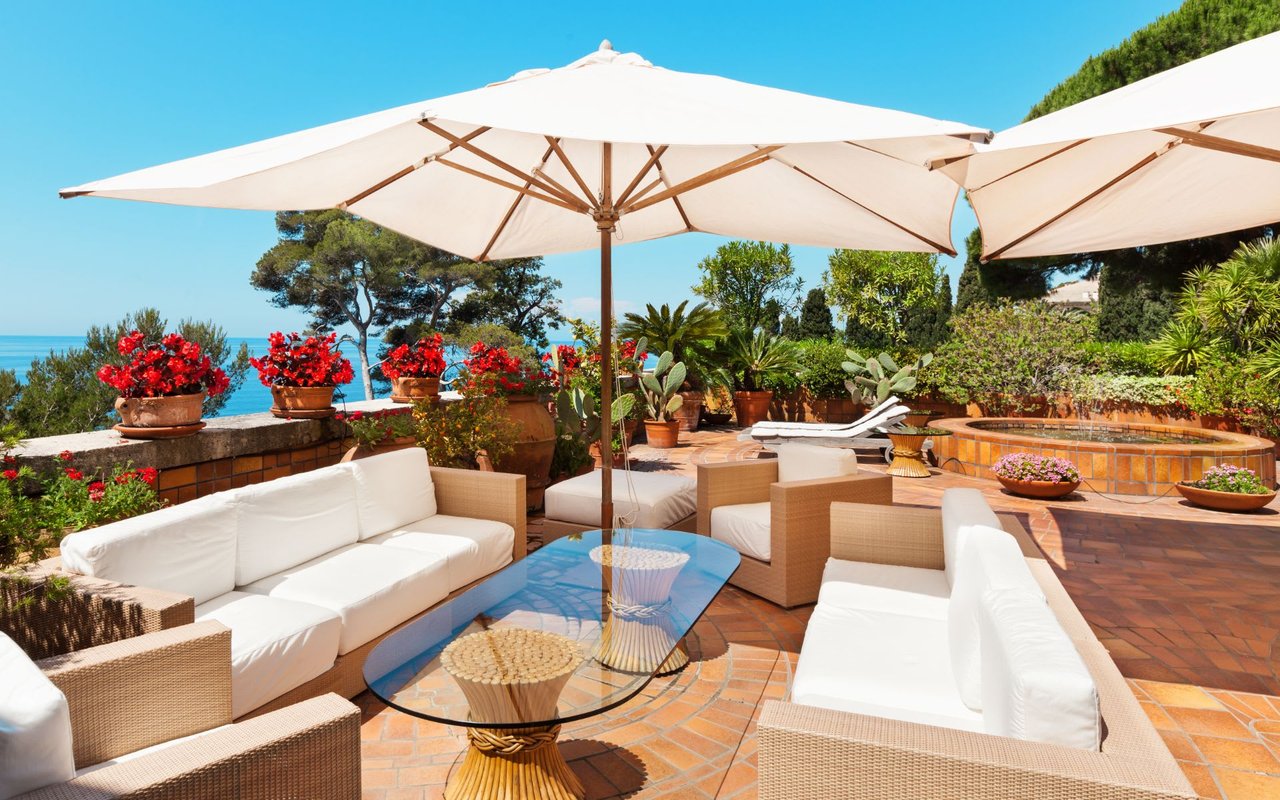
Aruba’s tourism positioning emphasizes apartments, condos, bungalows, and villas. Many vacation rentals are concentrated in beachfront and resort corridors such as Eagle Beach and Palm Beach.
That matters because product-market fit is often easier when guest expectations already align with the available inventory. Based on the research, Aruba appears especially well suited to beachfront condos, condo-hotel concepts, and resort-adjacent villas.
Bonaire Favors Boutique Inventory
Bonaire’s accommodation mix leans more toward small-scale apartment complexes, villas, boutique resorts, and resort-style villa clusters. The official accommodation examples cited in the research include villa operators, six-unit apartment projects, and 12-villa boutique resorts, alongside larger resort assets.
Visitor preference data also supports this smaller-scale pattern. In 2024, 43% of visitors chose hotels or resorts, 12.5% chose apartments, 7.5% chose villas, and 9% stayed with friends or family.
For owners, that points to a market where self-catering and boutique-style operations may make more sense than a mass-market approach. It may reward careful management more than simple scale.
Curaçao Supports the Widest Mix
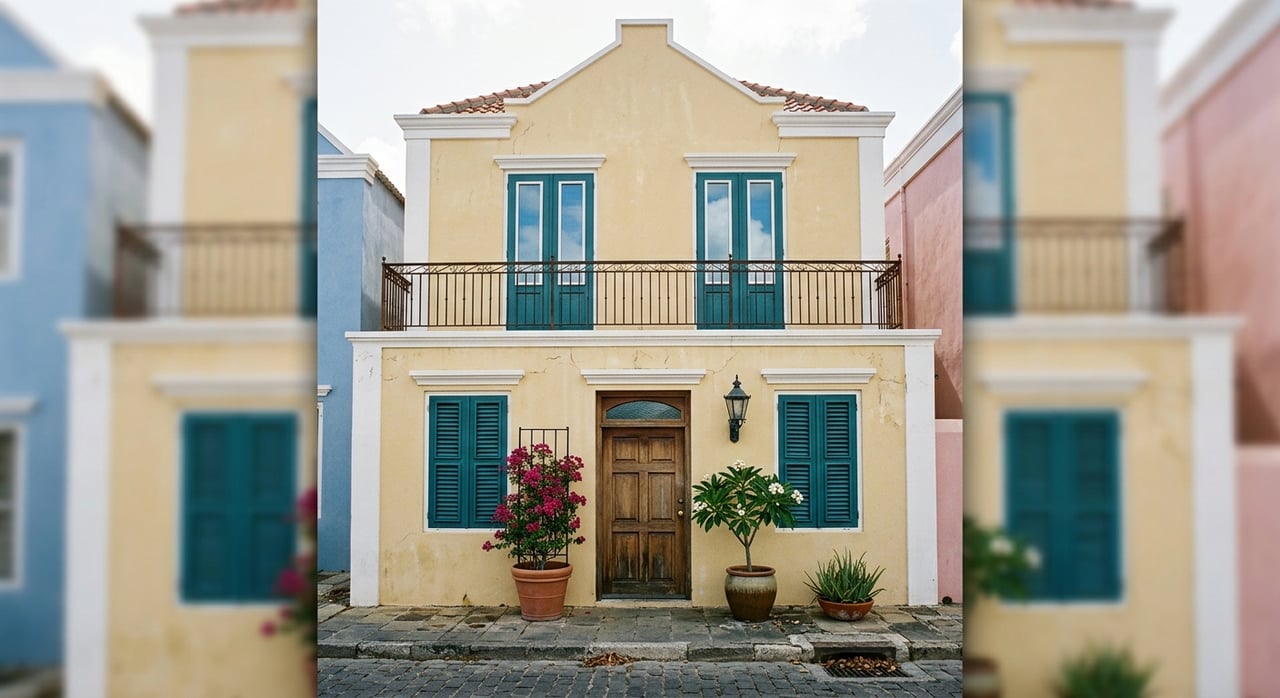
Curaçao offers the broadest accommodation spectrum in the research. Visitors can choose from vacation apartments, all-inclusive hotels, hostels, exclusive resorts, villas, apartments, boutique accommodations, and guesthouses.
That variety creates flexibility for investors evaluating multiple strategies. If you are comparing apartments, villas, boutique hospitality, or larger resort-style assets, Curaçao may offer the widest range of viable formats.
Taxes and Operations Matter More Than You Think
A vacation rental can look attractive on nightly rate projections and still underperform if the operating structure is not clear. Across Aruba, Bonaire, and Curaçao, tax treatment and compliance differ enough that they should be part of your early diligence, not an afterthought.
Aruba’s Lodging Tax Structure
Aruba has a defined tourist-tax regime for lodging operators. According to Departamento di Impuesto, hotel and logement operators owe tourist tax, and if a condominium owner rents through a third party, that third party can be treated as the taxpayer.
The tourist tax is filed monthly and due by the 15th of the following month. The research also notes that since July 1, 2018, entrepreneurs renting real estate to tourists are no longer subject to BBO on those rental revenues, but instead to tourist tax and BBV.
For owners, that means the rental structure and management setup are important from day one. Who books the unit, who collects guest revenue, and who files taxes can directly affect the operating picture.
Bonaire’s Visitor and Ownership Charges
Bonaire uses a different framework. Visitors pay a US$75 entry tax per person per visit, and the validity was extended to one month under changes effective July 1, 2024.
STINAPA also requires a US$40 nature fee for users of the Bonaire National Marine Park and Washington Slagbaai National Park, valid for one calendar year. On the ownership side, the research notes an effective vastgoedbelasting rate of 0.7%, with hotels owned by non-natural persons moving to 11% from January 1, 2025, plus 15% opcenten on that property tax.
That mix does not make Bonaire unattractive, but it does underline the need to model carrying costs and guest-fee friction carefully. In a smaller market, small changes in operating assumptions can have an outsized effect.
Curaçao’s Distinct Tax Rules
Curaçao has its own treatment as well. Belastingdienst Curaçao says entrepreneurs, including foreign entrepreneurs providing services on the island, are subject to turnover tax, and real estate is subject to OZB property-tax rules.
Curaçao also requires the digital ED Card, and airport departure fees apply for international destinations, Dutch Caribbean destinations, and transfers. For an owner, the key point is not just tax rates, but how the unit is classified and how services are delivered and reported.
What This Means for Investors
The biggest takeaway is simple: the same property type does not operate the same way on each island. A beachfront condo, boutique villa, or multi-unit project may have a very different booking profile, filing burden, and guest-fee structure depending on where it is located.
Based on the research, Aruba appears to be the strongest operating anchor if you want the most established vacation rental market. It combines scale, mature airlift, and a meaningful alternative-accommodation share that already captures a large portion of visitor nights.
Curaçao looks strongest for diversification. Its broader source-market mix and accommodation spectrum may suit investors who want more than one product lane or who value a wider tourism ecosystem.
Bonaire appears best approached as a selective niche market. The longer average stay and repeat-visitor base can be appealing, but the market is smaller and more sensitive to airlift and pricing.
Questions to Ask Before You Buy
Before you move forward on any island, focus on the questions that affect real-world performance.
- How is the unit legally classified for rental use?
- Does the building, community, or resort program permit short-term rentals?
- Who is responsible for monthly tax filing and reporting?
- How are guest fees collected and remitted?
- How dependent is performance on specific air routes or source markets?
- Who manages bookings, cleaning, maintenance, and compliance?
Those questions often matter more than the headline nightly rate. The strongest investment is not always the one with the most optimistic revenue projection, but the one with the clearest path to compliant, efficient operation.
Final Takeaway
If you are comparing vacation rental potential across Aruba, Bonaire, and Curaçao, Aruba is the clearest choice for scale and market maturity. Bonaire offers a more specialized, longer-stay profile that can work well for the right boutique asset. Curaçao stands out for diversity, flexibility, and broader regional demand.
For many buyers and investors, the smartest comparison is not simply which island charges the highest nightly rate. It is which island best matches your target guest, preferred property type, management model, and tolerance for operational complexity.
If you want a sharper, property-level view of opportunities in Aruba and the southern Caribbean, Bold Real Estate Aruba can help you evaluate investment assets with the local insight and transaction discipline serious buyers expect.
FAQs
Which island has the strongest vacation rental demand: Aruba, Bonaire, or Curaçao?
- Based on the research, Aruba has the strongest stay-over tourism scale and the most established alternative-accommodation market, which makes it the strongest overall vacation rental demand market of the three.
Is Bonaire a good market for boutique vacation rentals?
- Bonaire appears well suited to boutique apartments and villas because it has longer average stays, a high repeat-visitor share, and accommodation demand that includes apartments and villas.
Why is Curaçao considered a diversified vacation rental market?
- Curaçao has a broad source-market mix across Europe, North America, South America, and the Caribbean, plus a wide accommodation spectrum that includes apartments, villas, boutique properties, and larger resorts.
What tax issue should vacation rental buyers review in Aruba?
- In Aruba, tourist tax rules, monthly filing requirements, and the rental structure between owner and third-party operator should be reviewed carefully before purchase.
What should buyers compare besides nightly rates on these islands?
- You should compare source-market mix, average stay length, property type fit, tax treatment, guest-fee systems, airlift dependence, and day-to-day operational intensity.