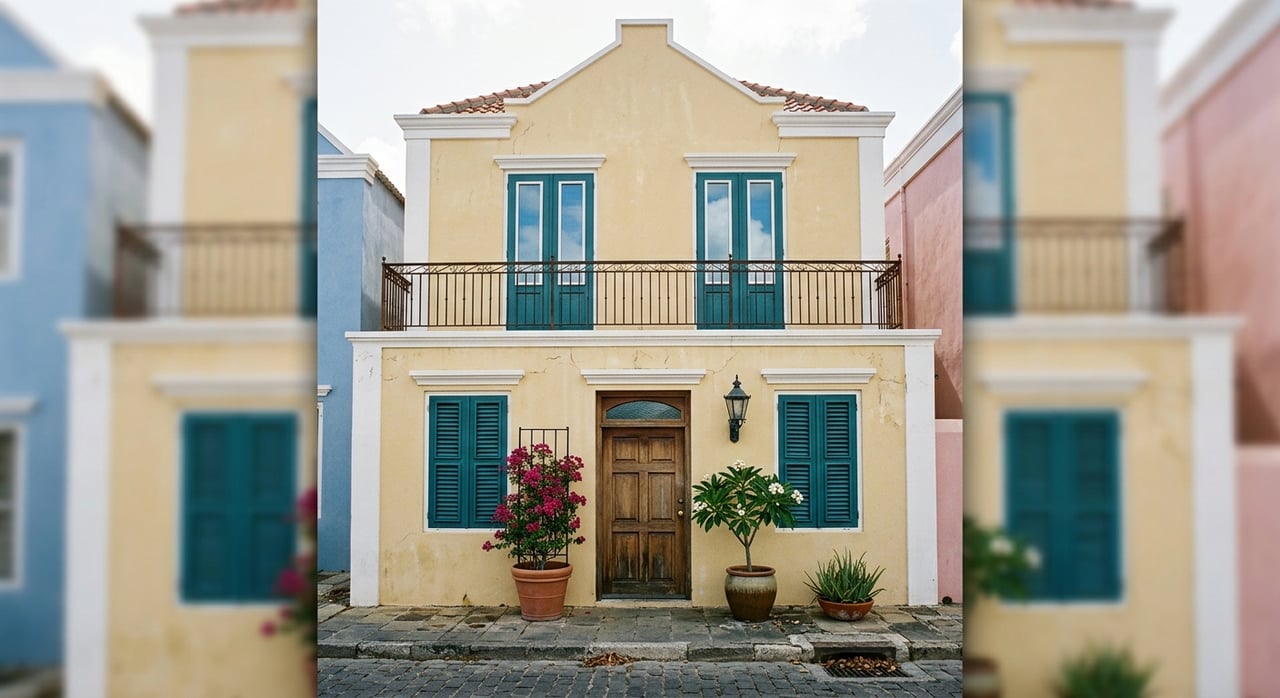
Buying a home in Aruba is exciting, but once your offer is accepted, the real work begins. If you are purchasing from abroad or navigating the island’s process for the first time, it helps to know that closing in Aruba is not a one-day event. It is a coordinated legal and financial process led by the notary, with clear steps, required documents, and important costs to plan for. Here is what you can expect from offer to keys in Aruba.
How closing works in Aruba
Aruba uses a notary-centered closing system. The civil-law notary has exclusive authority to carry out a real estate transfer, prepare the deed, file it with the tax office, and pay transfer tax on the buyer’s behalf, according to Johnson Notary’s FAQ and the Aruba tax office transfer tax page.
That means closing is more than a signing appointment. Before legal ownership transfers, the notary coordinates identity checks, source-of-funds review, deed preparation, tax filing, and registration. For you as a buyer, this creates a process that can feel document-heavy, but it is also structured and orderly when handled early and correctly.
What happens after your offer is accepted
Once your offer is accepted, the transaction moves into due diligence and document collection. The notary begins preparing the legal transfer, while you may also need to work with your lender, appraiser, and other parties involved in the purchase.
This stage is where timing matters most. Aruba closings are often a managed sequence of steps rather than an immediate handoff, especially if financing, compliance review, or additional documents are involved.
The notary’s role
In Aruba, the notary is the central legal coordinator of the sale. The notary does not simply witness signatures. The notary is responsible for preparing the deed, handling required filings, and making sure the transfer can legally move forward.
For international buyers, this is often reassuring. It means one professional is guiding the legal handoff and helping ensure that the buyer, seller, lender, and tax office are aligned before ownership transfers.
Identity and source-of-funds checks
Aruba notaries are required to verify identity and investigate the source of funds. According to Johnson Notary’s compliance guidance, non-residents who cannot appear in person at least once may need notarized copies of a passport and driver’s license from their country of residence.
If you are buying through a company or other legal entity, the compliance file may also include a Chamber of Commerce extract, shareholder register, deed of incorporation, and identification of ultimate beneficial owners. Starting this paperwork early can help prevent avoidable delays later in the process.
Documents buyers often need
The exact file depends on whether you are paying cash or financing the purchase, but most buyers should expect to gather core identification and transaction documents early.
A practical checklist may include:
- Passport or other identification
- Proof of address or residency
- Source-of-funds documentation
- Copy of the purchase agreement
- Any notary-requested compliance documents
If you are buying through an entity, be prepared for corporate formation and ownership records as part of the review.
Extra documents for financed purchases
If you are using a mortgage, your lender may request a more detailed file. Aruba Bank’s mortgage page lists items such as:
- Salary slips
- Identification documents
- An appraisal report from a recognized appraiser in Aruba
- Employer letter or Chamber of Commerce registration
- Proof of residency
- Work permit for non-Dutch citizens
- Copy of the purchase agreement
Because banks and notaries review different parts of the transaction, it is wise to gather financing documents as soon as your offer is accepted. Waiting too long on lender paperwork can slow the path to closing.
Closing costs and taxes to budget for
One of the most important parts of buying in Aruba is understanding that your purchase price is not your total cost to close. Buyers should budget separately for transfer tax, notary costs, and any lender-related expenses.
According to the Aruba tax office, transfer tax is calculated on the property value shown in the deed or the tax office’s assessed value, whichever is higher. The current rate is:
- 3% on value up to Afl. 250,000
- 6% on the amount above Afl. 250,000
This is one of the key Aruba-specific details buyers should understand before they finalize their budget.
When funds must be deposited
The same transfer tax guidance from Departamento di Impuesto states that the buyer must deposit both the purchase price and the transfer tax into the notary’s account before legal ownership transfers.
After execution, the notary submits the deed to the tax office. The deed must be filed within 15 days of execution, and late filing or payment can lead to penalties. In practical terms, this is why final coordination between you, the notary, and your bank matters so much.
Costs beyond the sale price
If you are financing the purchase, Aruba Bank notes that mortgage-related expenses can include closing fees, notary costs, transfer taxes, and insurance premiums. These costs sit on top of the home’s purchase price.
For many buyers, especially cross-border buyers, this is where planning makes the experience smoother. A clear cash-to-close estimate helps you avoid surprises and keeps the final weeks of the transaction on track.
Freehold or erfpacht matters
Before closing, it is important to confirm whether the property is freehold or erfpacht. This affects your ownership structure and your recurring obligations after closing.
The Aruba tax office explains that erfpacht is a right to use government land for a fixed period in exchange for a fee. The annual erfpachtcanon is billed by the tax office on behalf of DIP and must be paid within 10 days of the assessment date.
For buyers reviewing villas, condos, land, or development opportunities, this is not a minor detail. Understanding the title structure early helps you evaluate both long-term cost and fit.
What happens after closing
Once the deed is registered, you officially move from buyer to owner. At that point, it is smart to think beyond the handoff and plan for ongoing property-related obligations.
According to the ground tax page from Departamento di Impuesto, ground tax is due annually for anyone who owns a home or parcel of land on January 1. If the property is sold during the year, the seller still owes the tax for that full calendar year.
Property registration and tax records
The same tax office page notes that if no assessment has been received, the property may still need to be registered using cadastral documents such as the meetbrief, situation plan, cadastral number, and C-number.
This is a useful reminder for new owners, especially international buyers who may assume every post-closing step is automatic. Keeping your ownership records and tax status organized from the start can make ongoing ownership much easier.
Tips for international buyers in Aruba
For overseas buyers, Aruba’s closing process can feel more detailed than expected. The good news is that the system is designed to be orderly, with the notary coordinating the legal transfer.
A few simple steps can make the process easier:
- Confirm early whether the property is freehold or erfpacht
- Gather identity and source-of-funds documents as soon as possible
- Expect lender-specific income and appraisal requirements if financing
- Build in time for notary compliance review before the deed date
- Budget separately for taxes, notary costs, and insurance-related expenses
The biggest takeaway is simple: Aruba closings reward preparation. When your documents, funds, and financing are organized early, the path from accepted offer to keys becomes much smoother.
A confident path from offer to keys
Closing on a home in Aruba is a legal and financial process, but it does not have to feel overwhelming. With the right guidance, clear expectations, and early preparation, you can move through each step with confidence and avoid many of the delays that catch buyers off guard.
If you are planning a purchase and want experienced guidance through Aruba’s market and closing process, connect with Bold Real Estate Aruba. Their boutique, relationship-driven approach is designed to help you move forward with clarity, professionalism, and local insight.
FAQs
What does the notary do during a home closing in Aruba?
- The notary prepares the deed, verifies identity and source of funds, coordinates required filings, collects funds, and handles the legal transfer of ownership.
What taxes do buyers pay when closing on a home in Aruba?
- Buyers pay transfer tax based on the value in the deed or the tax office’s assessed value, whichever is higher, with 3% charged up to Afl. 250,000 and 6% on the amount above that threshold.
What documents are usually needed to buy a home in Aruba?
- Buyers are commonly asked for identification, proof of address or residency, source-of-funds documents, the purchase agreement, and any additional compliance documents requested by the notary or lender.
What extra paperwork is required for a mortgage in Aruba?
- A lender may request salary slips, identification, an Aruba appraisal report, proof of residency, an employer letter or Chamber of Commerce registration, a work permit for non-Dutch citizens, and a copy of the purchase agreement.
What is erfpacht on property in Aruba?
- Erfpacht is a right to use government land for a fixed period in exchange for a fee, and buyers should review it carefully because it creates an ongoing annual payment obligation.
What ongoing property taxes should new owners know about in Aruba?
- New owners should understand annual ground tax rules and make sure the property is properly registered with the tax office if no assessment has been received after closing.