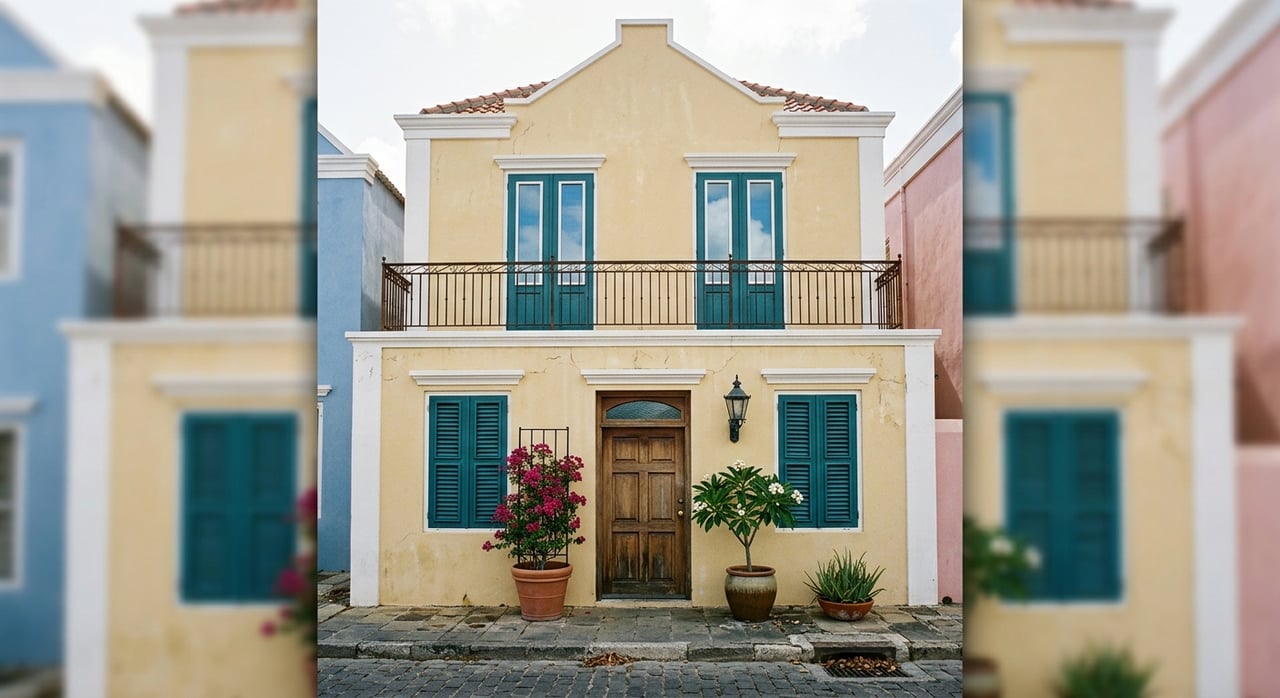
If you picture island living as all beach clubs and quiet resort enclaves, Willemstad’s historic waterfront districts may surprise you. In this part of Curaçao, daily life unfolds among working harbor views, UNESCO-listed streetscapes, colorful façades, and a mix of residents, shops, culture, and commerce. If you are considering a home or investment in the city’s core, this guide will help you understand what living here really feels like and what to look for before you buy. Let’s dive in.
Why Willemstad’s waterfront stands out
Willemstad’s inner city is more than a scenic postcard. UNESCO designated it a World Heritage property in 1997, recognizing a historic urban center shaped around a natural deep-water harbor and defined by Dutch colonial planning adapted to a tropical Caribbean setting.
That matters because these districts were built to function as a real city, not a themed destination. You see that today in the retained street patterns, active harbor use, government buildings, shops, restaurants, and daily pedestrian life that all continue side by side.
How the historic districts differ
The waterfront core is often discussed as one place, but Punda, Pietermaai, and Otrobanda each offer a distinct living experience. If you are exploring real estate in Willemstad, understanding those differences can help you narrow your search.
Punda feels civic and central
Punda is the oldest district and remains the civic and commercial heart of the city. It is known for the Handelskade waterfront, pedestrian-oriented streets, markets, museums, and Thursday evening Punda Vibes, which adds to the area’s social energy.
Living in Punda can feel compact, urban, and extremely walkable. At the same time, it is tied closely to visitor activity and the working harbor, so the atmosphere is lively rather than secluded.
Pietermaai feels stylish and social
Pietermaai has evolved from a residential quarter into one of Willemstad’s most active lifestyle districts. Today, it blends permanent residences with boutique hotels, cafés, restaurants, bars, small shops, and street art in a setting that stays animated well into the evening.
If you are drawn to character properties and an active street scene, Pietermaai may stand out. It offers a highly walkable environment, but it does not function like a quiet, conventional residential subdivision.
Otrobanda feels layered and cultural
Otrobanda sits across the bay from Punda and has seen visible revitalization through arts, adaptive reuse, and community events. It brings together historic streets, neighborhood life, cultural programming, and tourism-oriented retail in a way that feels especially mixed and dynamic.
Landmarks and activity hubs help shape the district’s identity, but the appeal goes beyond attractions. Otrobanda often feels like the broadest blend of heritage, daily life, and reinvention among the three districts.
What daily life is really like
Living in Willemstad’s historic waterfront districts means choosing a compact urban lifestyle. A 2019 UNOPS and ISOCARP study framed the inner city as a place best experienced on foot, with many amenities reachable within a five- to ten-minute walk from key access points.
That walkability is one of the area’s biggest strengths. You can move between waterfront views, dining, cultural spaces, and public gathering spots without depending on a car for every errand.
Still, convenience here looks different from suburban convenience. Parking is concentrated near access points, public transport hubs serve Punda and Otrobanda, and some areas prioritize pedestrians over cars.
The Queen Emma Bridge is a good example of how daily life follows the rhythm of the harbor. It connects Punda and Otrobanda, but swings open for marine traffic, with pedestrians using the ponchi ferry when needed.
What kinds of homes you can expect
If you are shopping in these districts, you should not expect rows of modern detached homes. The housing stock is shaped by centuries of growth, adaptation, and preservation, so the inventory is typically more varied and more architectural.
UNESCO and urban planning sources point to a mix that can include restored townhouses, courtyard homes, adaptive-reuse properties, and heritage conversions. In Otrobanda, larger historic houses on bigger lots became part of the district’s identity, while Pietermaai is known for stately structures where residential living and hospitality uses now coexist.
For buyers, that means the best opportunities often come with character and history. It also means no two properties feel exactly the same, which can be especially appealing if you value distinctive design and setting over a uniform housing product.
Renovation potential comes with oversight
One of the most compelling parts of buying in Willemstad’s historic core is the chance to restore or update a character property. That said, renovation here is not a casual process.
Stichting Monumentenzorg Curaçao notes that roughly 800 buildings from the 17th to the 20th century have been designated protected monuments, and the city also has conservation-area status that protects both buildings and the urban form. Protected monuments cannot be demolished without government permission, and restoration or changes require permits.
This level of oversight helps preserve the integrity that makes these districts so special. It also means buyers should approach renovations with patience, clear planning, and an understanding that preservation rules are part of ownership in the historic center.
There is also support available. Stichting Monumentenfonds Curaçao provides subsidies and loans for restoration and maintenance, which can be relevant if you are evaluating a heritage property with improvement potential.
The lifestyle benefits buyers love
For many buyers, the appeal is immediate. These districts offer waterfront character, architectural depth, and a walkable city experience that is difficult to replicate elsewhere in the Caribbean.
You are not just buying square footage. You are buying access to museums, cafés, restaurants, cultural events, public spaces, and the visual identity that makes Willemstad one of the region’s most recognizable capitals.
This setting can be especially attractive if you want a home or investment in a location with strong sense of place. It also suits buyers who value mixed-use urban energy over a more isolated resort-style environment.
The tradeoffs to consider carefully
As distinctive as these districts are, they are not the right fit for everyone. UNESCO highlights tourism pressure, saltwater and climate-related wear, and development pressure along the waterfront, while urban planning research also points to congestion, limited parking, and the need for stronger coastal protection.
In practical terms, that means ownership here may involve more maintenance awareness and more tolerance for activity around you. Waterfront living in a historic urban center is atmospheric and convenient, but it is rarely quiet or low-maintenance.
Permanent housing supply in the core has also been limited. The UNOPS and ISOCARP study estimated that less than 2 percent of Curaçao’s population lived in the historic inner city, with fewer than 50 people remaining in Punda at that time.
That scarcity can make the area feel unique, but it also reinforces how mixed-use and tourism-facing the core has become. Buyers should evaluate each property not just for beauty, but for how well its immediate surroundings match their lifestyle goals.
How to think about each district as a buyer
If you are trying to decide where to focus, it helps to match each district to the experience you want most. The historic core is mixed-use throughout, but each area leans in a different direction.
| District | What it’s known for | Best fit for buyers who value |
|---|---|---|
| Punda | Civic center, pedestrian streets, waterfront activity | Walkability, centrality, urban energy |
| Pietermaai | Lifestyle scene, dining, boutique hospitality | Character, nightlife, social atmosphere |
| Otrobanda | Heritage, arts, adaptive reuse, community feel | Culture, layered identity, varied property types |
This kind of comparison can help you move beyond general impressions. In a market like Willemstad’s historic center, the right fit often depends less on square footage and more on how you want to live day to day.
Why these districts attract attention
Willemstad’s historic waterfront districts continue to stand out because they offer something increasingly rare. They combine protected architectural heritage, everyday urban function, and waterfront access in a compact setting that still feels authentic to the city’s history.
For lifestyle buyers, that can mean a home with atmosphere and immediate connection to culture. For investors, it can mean a property in a highly recognizable location where design, scarcity, and setting all matter.
The key is going in with clear expectations. If you understand the balance of beauty, activity, preservation, and practicality, you can make a smarter decision about whether Willemstad’s historic core fits your goals.
If you are exploring distinctive opportunities in Curaçao and want informed guidance on character-rich island real estate, Bold Real Estate Aruba can help you navigate the market with clarity and confidence.
FAQs
What is it like to live in Willemstad’s Punda district?
- Punda feels lively, central, and highly walkable, with pedestrian streets, waterfront views, markets, museums, and regular public activity tied to both local life and tourism.
What is it like to live in Willemstad’s Pietermaai district?
- Pietermaai offers a stylish, social setting where permanent homes mix closely with boutique hotels, cafés, restaurants, bars, and street art in a very walkable environment.
What is it like to live in Willemstad’s Otrobanda district?
- Otrobanda combines heritage streets, arts activity, adaptive reuse, dining, and neighborhood life, giving it a layered identity that feels both cultural and residential.
Can you renovate historic homes in Willemstad’s waterfront districts?
- Yes, but many properties are protected monuments or sit within conservation areas, so restoration and changes typically require permits and preservation oversight.
Are Willemstad’s historic waterfront districts mostly residential?
- No, they are best understood as mixed-use districts where residential living exists alongside government functions, commerce, hospitality, tourism, and cultural activity.
Is waterfront living in Willemstad convenient for daily life?
- It can be very convenient if you value walkability, but you should also expect port traffic, pedestrian-priority areas, concentrated parking, and climate-related wear on buildings near the coast.
Are homes in Willemstad’s historic center similar to suburban homes?
- No, the housing stock is generally more varied and may include restored townhouses, courtyard homes, large historic houses, and adaptive-reuse buildings rather than typical new-build detached homes.