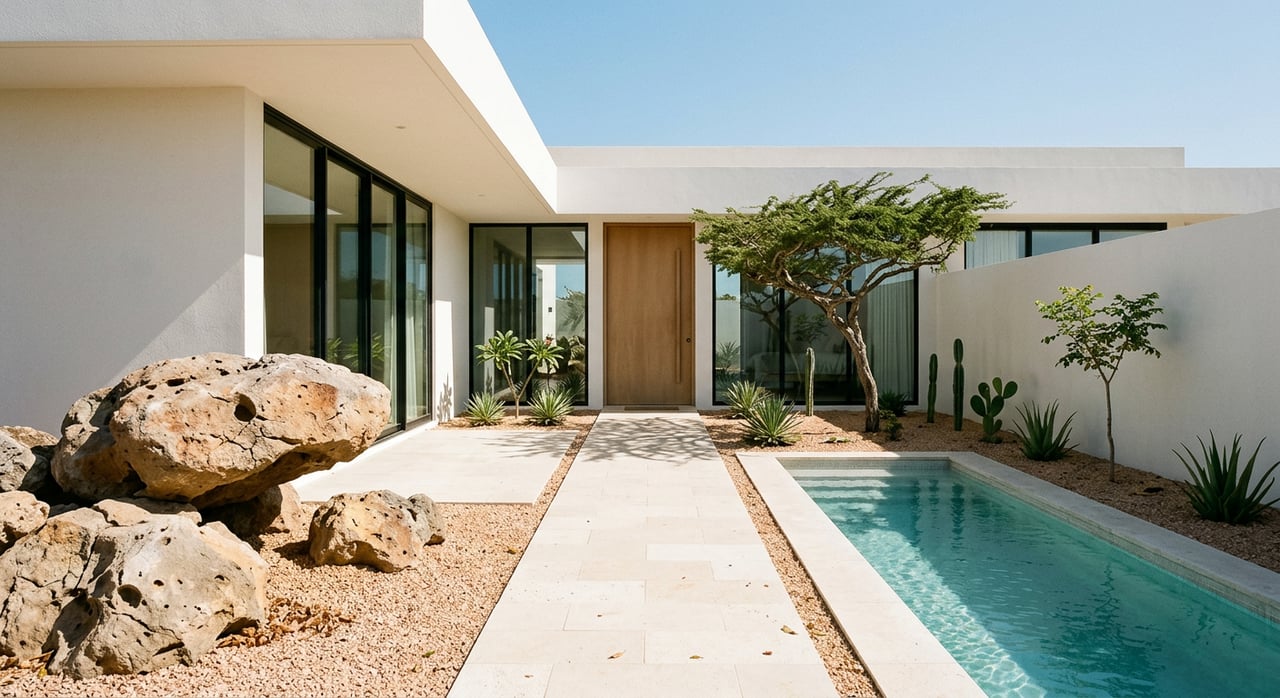
Looking for calm, cactus-studded views without giving up quick beach access? If you want a quieter slice of Aruba that feels local and nature-forward, Paradera could be your match. In this guide, you’ll learn what daily life looks like, the homes you’ll find, commute realities, and the key steps to buy with confidence. Let’s dive in.
Paradera at a glance
Paradera sits in central to northeastern Aruba, inland from the hotel strip and the capital. The wider census area includes neighborhoods such as Ayo, Piedra Plat, Bloemond, and Shiribana, and is known for its residential feel. You can read more about the district’s context on Wikipedia’s Paradera page.
One of Aruba’s most iconic landmarks stands here. Hooiberg, a conical hill that rises about 165 meters (around 541 feet), is visible from much of the island’s interior and anchors local views and orientation. Get the quick snapshot and elevation details on the Hooiberg overview.
Nature, calm and low-key days
Paradera’s calling card is its quiet inland vibe. Streets tend to be tucked in, residential, and lined with gardened lots, a contrast to the busy beach zones. That feel is highlighted in local writeups, including the Paradera neighborhood overview.
You also live close to small-scale natural attractions. The Ayo and Casibari rock formations offer carved steps, short trails, and sweeping photo vantage points that make for easy morning or sunset outings. They are promoted as low-impact day visits on the island’s official site; explore them here: Ayo and Casibari rock formations. On weekends, many residents mix in short trips to the Bushiribana gold-mill ruins, horseback rides that start nearby, or simple backyard time in the breeze.
Housing you’ll find in Paradera
Paradera is primarily residential, with a mix that appeals to buyers who value space, privacy, and views over being on the sand.
Single-family and cunucu homes
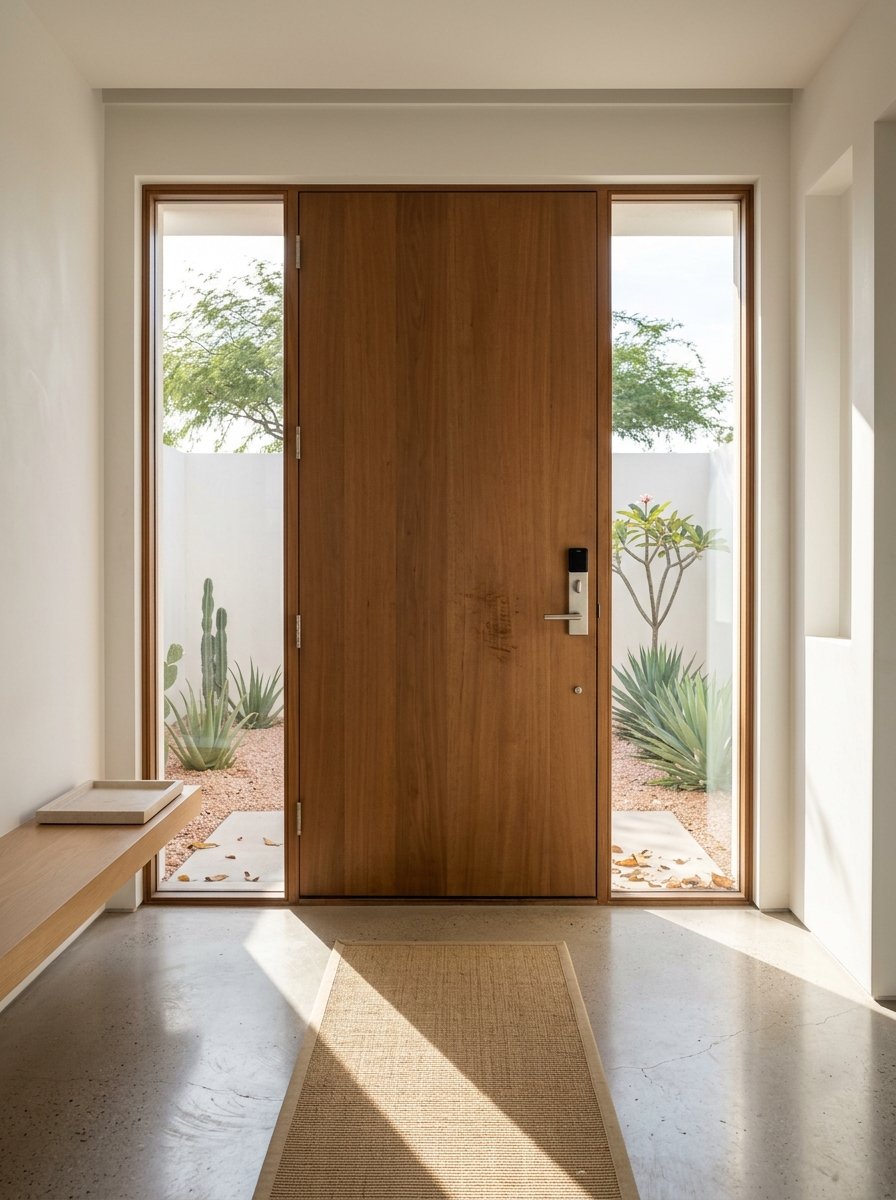
You’ll see many single-story houses, including traditional cunucu-style homes that reflect Aruba’s rural heritage. Lots often allow for gardens, patios, and small pools. These properties fit if you want room to spread out and enjoy outdoor living.
Villas with inland or Hooiberg views
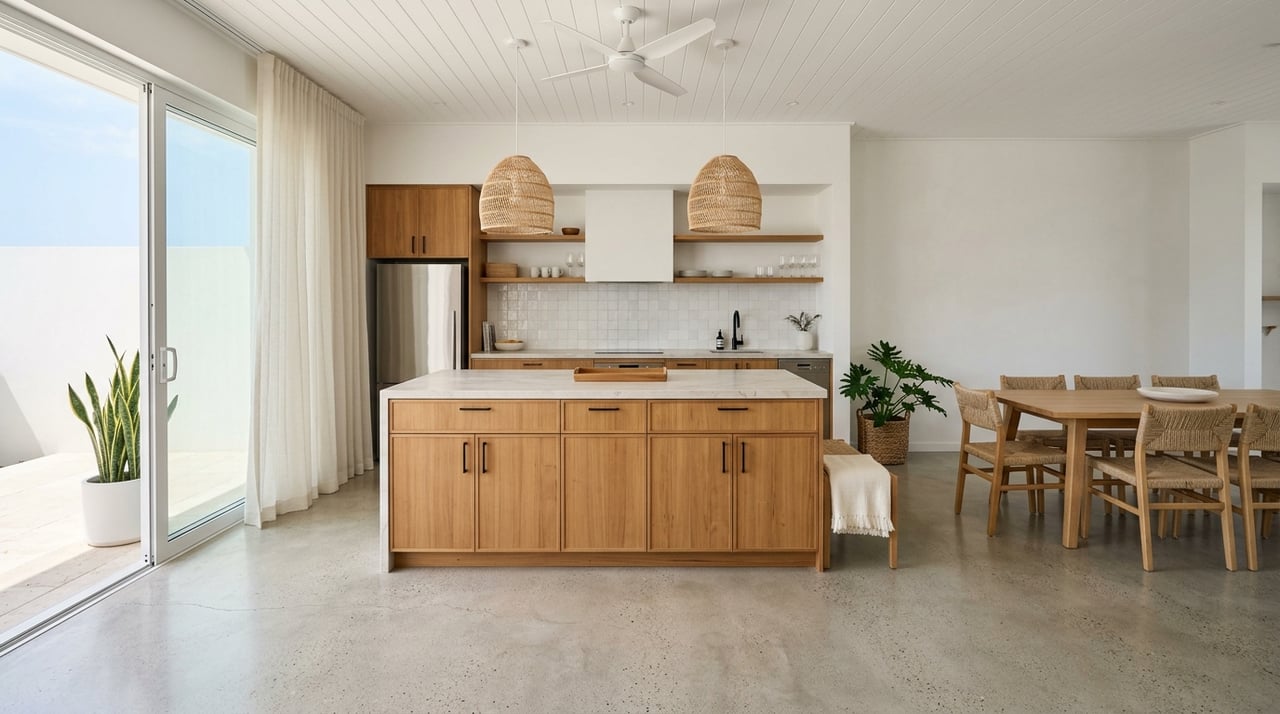
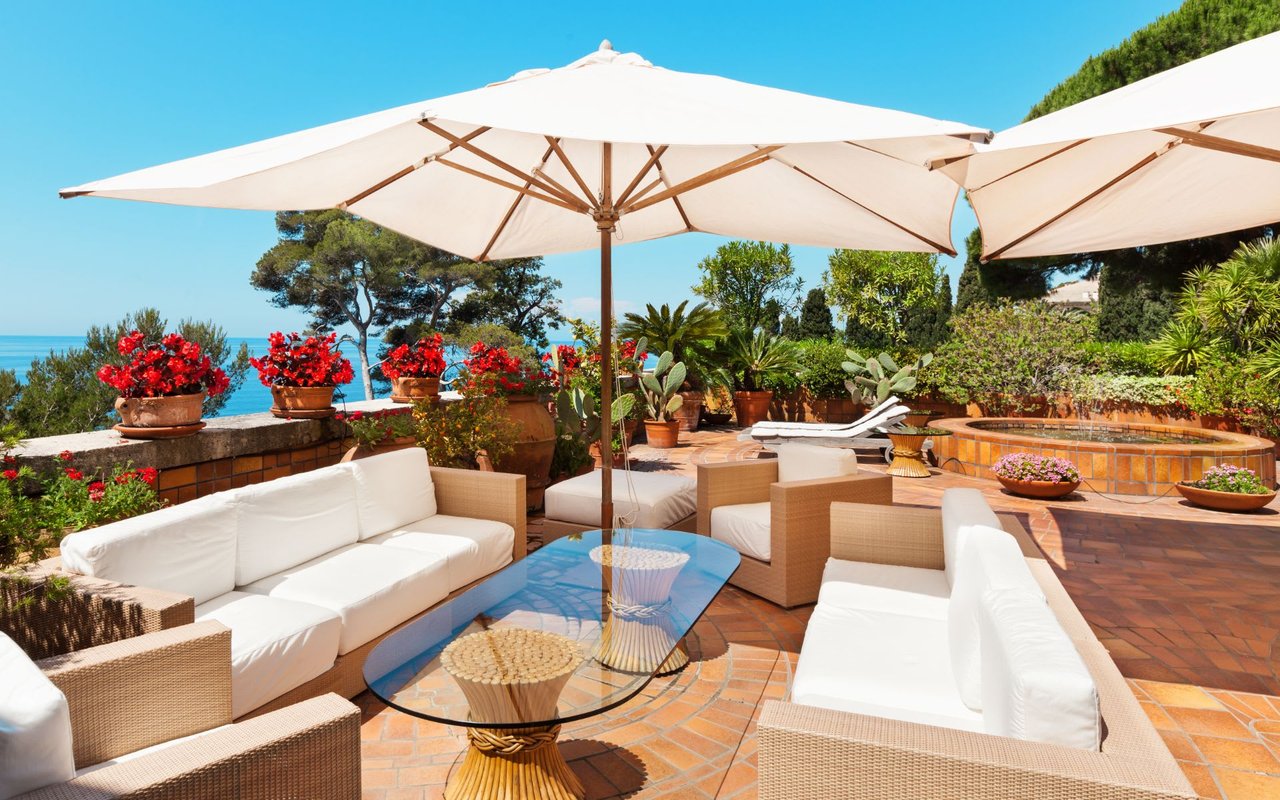
Detached villas, both classic and modern, are common across Paradera. Many sit on generous parcels, with terraces positioned to catch trade winds and big-sky sunsets over Hooiberg. If you like indoor-outdoor design and privacy, this segment is worth a close look.
Low-rise condominiums
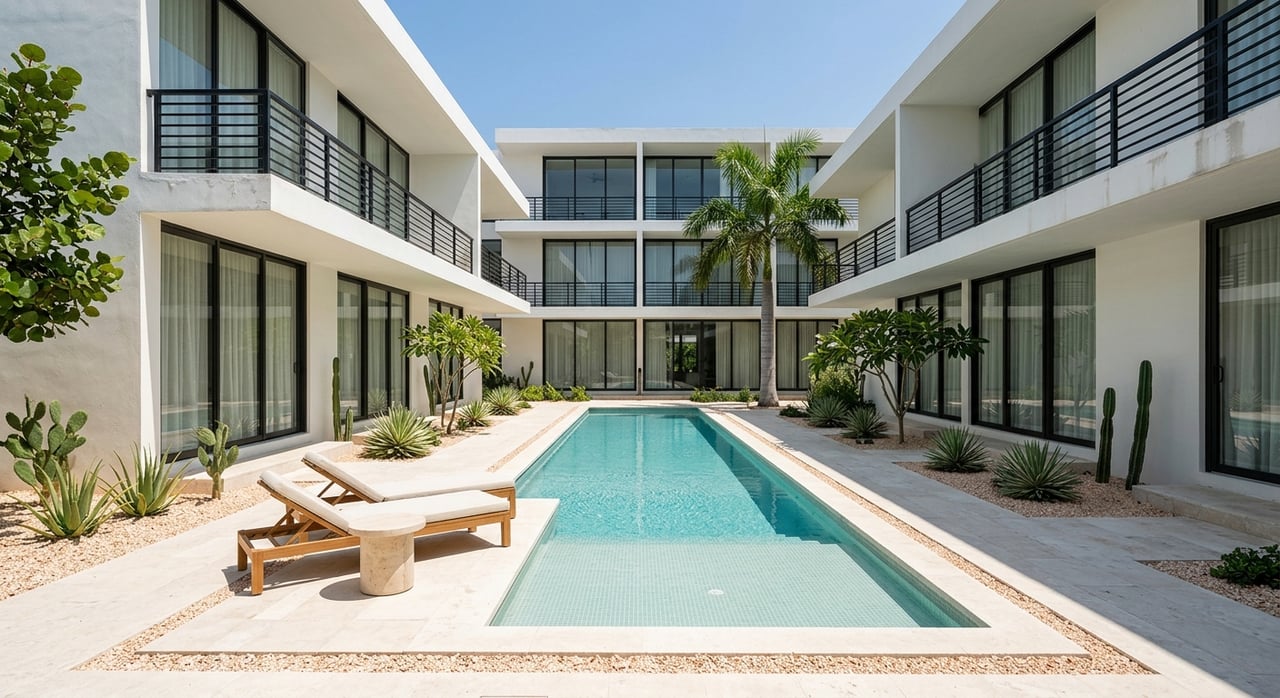
While high-rise beachfront towers are not typical here, smaller condo projects do exist. These can offer a lock-and-leave lifestyle with lower maintenance, plus the inland calm that draws many Paradera buyers.
Overall, Paradera is widely framed as more residential and often more affordable than prime beachfront areas like Palm or Eagle Beach, while still keeping you within a short drive of the coast. For broader context on ownership and buying in Aruba, see this Aruba buying guide.
Daily life: What a week looks like
Mornings are quiet, with short errands to local bakeries, cafés, and small markets. Quick nature time is easy, whether that is climbing Hooiberg’s steps or taking a short walk among the boulders at Ayo or Casibari. Evenings tend to be relaxed at home, with garden dinners and stargazing.
For larger shopping, dining, and nightlife, you will likely head into Oranjestad or the hotel strip. Many reviews and accommodation guides note that having a car is convenient in Paradera, though bus service exists. You can see that perspective in this Paradera Park area review.
Getting around and beach access
Paradera sits only a few kilometers from Oranjestad, so most drives to downtown or to beaches are short. Typical drive times from central Paradera to downtown and to Eagle or Palm Beach fall in the 5 to 15 minute range depending on your exact address and traffic. To get a sense of routing, check the Paradera to Oranjestad route, then use your property’s address for precise timing.
Public transport is available. Arubus runs buses linking Paradera with Oranjestad, and fares are inexpensive. Service is practical if you do not drive, though frequency and hours are more limited than a car. For current routes and schedules, visit Arubus.
Practical buying considerations
Buying in Aruba is straightforward for locals and non-residents alike, and Paradera follows the same rules. Here are the essentials to know as you plan.
Can foreigners buy in Paradera?
Yes. Aruba allows non-residents to purchase property. Transactions are handled by a civil-law notary, and titles are registered with the land registry. You will encounter both freehold (eigendom) and long lease (erfpacht) land types. A concise overview is available in this Aruba buyer’s guide.
Financing basics for non-residents
Local banks do finance foreign buyers, but down payment requirements are usually higher for non-residents. Many guides note larger down payment ranges and lender-specific terms. Before you shop, speak with an Aruban lender to confirm eligibility, rates, and documentation. This summary is a useful starting point: Foreign buyers in Aruba: practical guide.
Closing costs, transfer tax and ongoing taxes
Transfer taxes, notary fees, and registration costs apply at closing. Rates and bands can change, and exemptions may apply, so avoid relying on outdated figures. Confirm the current numbers with a local notary or tax professional. You can review a high-level outline here: Aruba foreign buyer guide.
Zoning, usage and rentals
If you plan to rent your property, check zoning rules, any licensing needs, and HOA bylaws if you are in a condominium community. Short-term rental policies vary by area and building. Verify requirements before modeling rental income. The same foreign buyer guide above provides a helpful overview to start your research.
Who Paradera suits best
Paradera is a good fit if you want calm over crowds, open skies, and a close connection to Aruba’s landscape. You value yards, gardens, and the option to add a small pool or outdoor kitchen. You like the idea of short drives to beaches and downtown without living in the middle of the action. If quiet mornings, mountain views, and a slower daily rhythm appeal to you, Paradera deserves a spot on your shortlist.
How to choose your spot in Paradera
The Paradera region includes micro-areas like Ayo, Piedra Plat, Bloemond, and Shiribana. Each offers a slightly different mix of elevation, views, and proximity to main roads. Use these checks to narrow your options:
- Views and orientation: Do you want a Hooiberg view, sunset light, or extra wind exposure for cooling breezes?
- Lot size and privacy: How much yard do you want for gardening, pets, or a pool addition?
- Road exposure: Are you on a quiet residential street or closer to a busier connector road?
- Access to services: How quickly can you reach your preferred supermarket, gym, or medical office by car?
- Commute and beach time: Check actual drive times from your address to Oranjestad, Eagle Beach, and Palm Beach during peak hours.
- HOA and rental rules: If considering a condo, review bylaws, pet policies, and any rental restrictions.
A day in Paradera: sample routine
- Sunrise: Coffee on the patio with a view of Hooiberg, then a quick climb up the stairs for early light.
- Mid-morning: Local errands for fresh bread and produce, then home for a work-from-home block or a quiet read in the shade.
- Afternoon: Short drive to Oranjestad for a larger grocery run or appointments.
- Sunset: Walk the Ayo or Casibari trails for golden-hour photos.
- Evening: Backyard grill night with the trade winds and bright stars.
Your next step
If Paradera’s relaxed rhythm and nature-forward lifestyle speak to you, we can help you evaluate the right micro-location, home type, and ownership structure with clarity. Our team pairs local insight with disciplined transaction support so you can buy with confidence. Ready to explore a Paradera shortlist tailored to your goals? Connect with Bold Real Estate Aruba to Request a Private Consultation.
FAQs
Is Paradera quiet compared to Aruba’s beach areas?
- Yes. Paradera is widely described as an inland residential district with low through-traffic and gardened lots, a calm contrast to resort zones. See the local overview for context in the Paradera neighborhood guide.
How far is Paradera from Eagle and Palm Beach by car?
- Typical driving times are about 10 to 15 minutes from central Paradera, depending on your exact address and traffic. Always map your route during the hours you plan to travel.
What types of homes are common in Paradera?
- You will find single-family homes, traditional cunucu-style houses, detached villas, and a smaller number of low-rise condominiums. High-rise beachfront towers are uncommon here.
Can non-residents buy a home in Paradera, Aruba?
- Yes. Foreign buyers can purchase property in Aruba. A civil-law notary handles the transfer, and both freehold and long-lease land types exist. Review this Aruba buying guide for a primer.
Do I need a car to live in Paradera?
- A car is convenient for day-to-day errands and quick beach trips. Buses connect Paradera with Oranjestad, but service is less frequent than driving; check Arubus for current routes and schedules.