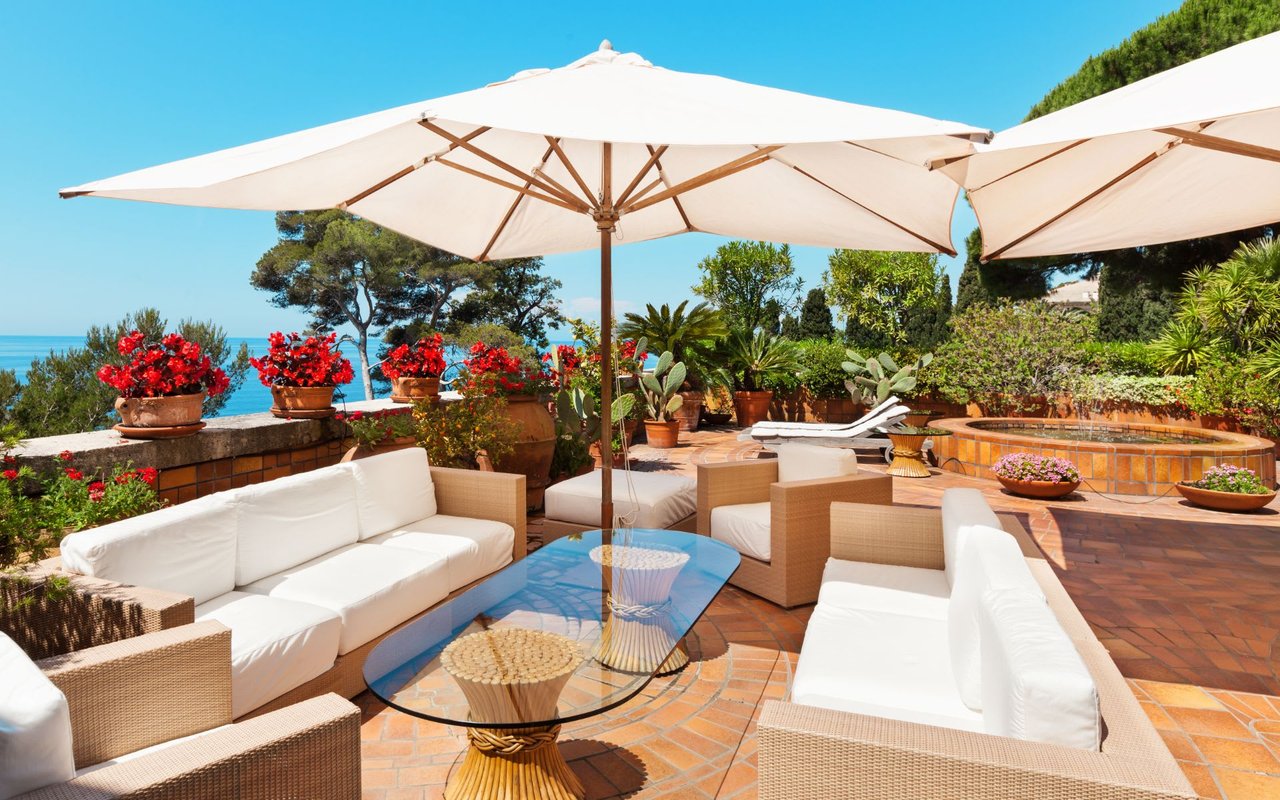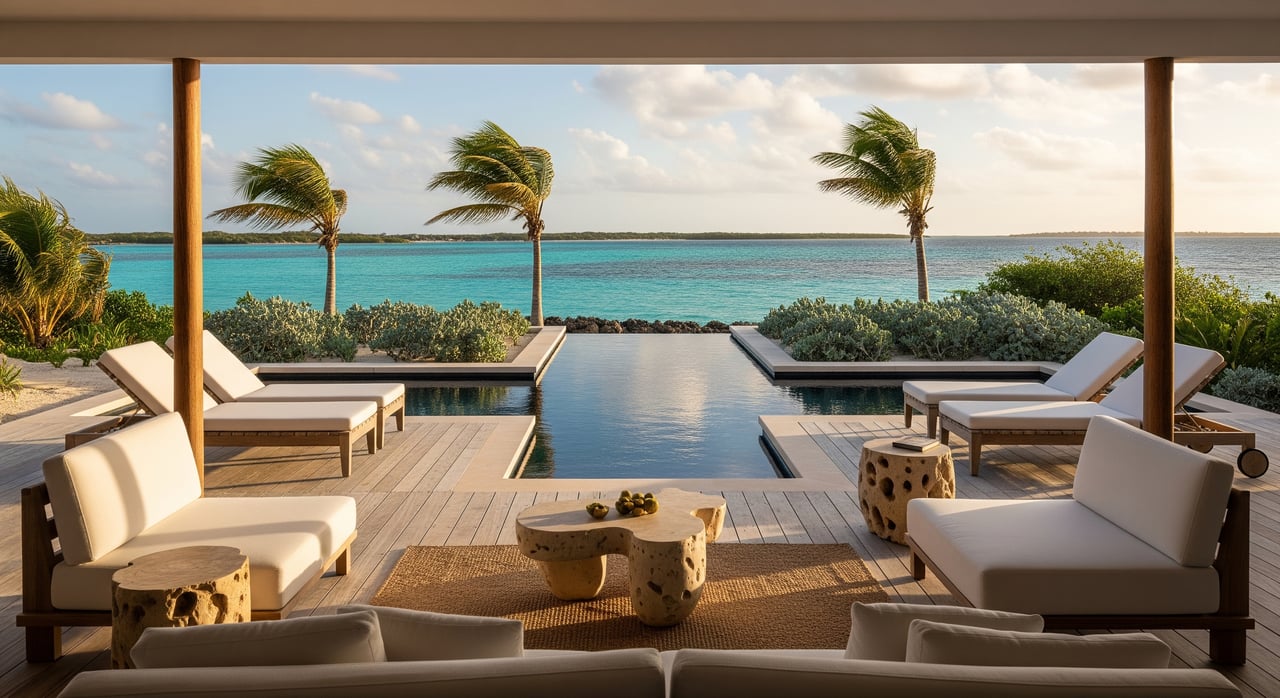
The difference between a good outdoor space and a great one on Bonaire often comes down to how well it works with the island’s sun, wind and water reality. If you own or design a second home here, you want spaces that stay cool and comfortable without constant maintenance. In this guide, you’ll learn how to orient spaces for the trade winds, choose durable materials, and build water‑wise landscapes that hold up beautifully. Let’s dive in.
Why climate‑smart design matters
Bonaire’s sun is strong, the trade winds are steady, and fresh water is limited. Outdoor rooms that respond to these conditions feel cooler, last longer and are easier to maintain. They also photograph and show better, which can support marketability when you decide to sell.
Designing with climate in mind means prioritizing shade and ventilation, reducing corrosion risk, and minimizing water use. The result is an outdoor experience you can enjoy year‑round with less upkeep.
Read your site first
Before sketching pergolas or pools, take stock of how your property actually performs. A short site study helps you make better decisions and avoid costly rework later.
- Map the prevailing breeze. Trade winds typically arrive from the ENE to E. Note typical speeds and the gustier months.
- Track the sun. Where does midday sun hit hardest? Where do you get gentle morning or late‑afternoon light?
- Identify salt exposure. Homes closer to the shore will see more salt spray and faster metal corrosion.
- Understand drainage and surge risk. Record topography, stormwater paths and any flood‑prone edges.
- Confirm water access. Note potable water limits and space for cisterns or rainwater capture.
Plan layout around breeze and sun
Your layout should capture cooling breezes while shielding you from gusts and harsh sun. A few smart moves can transform comfort levels.
- Place primary outdoor rooms to catch the trades. Covered terraces on the windward side can channel breezes into indoor‑outdoor zones.
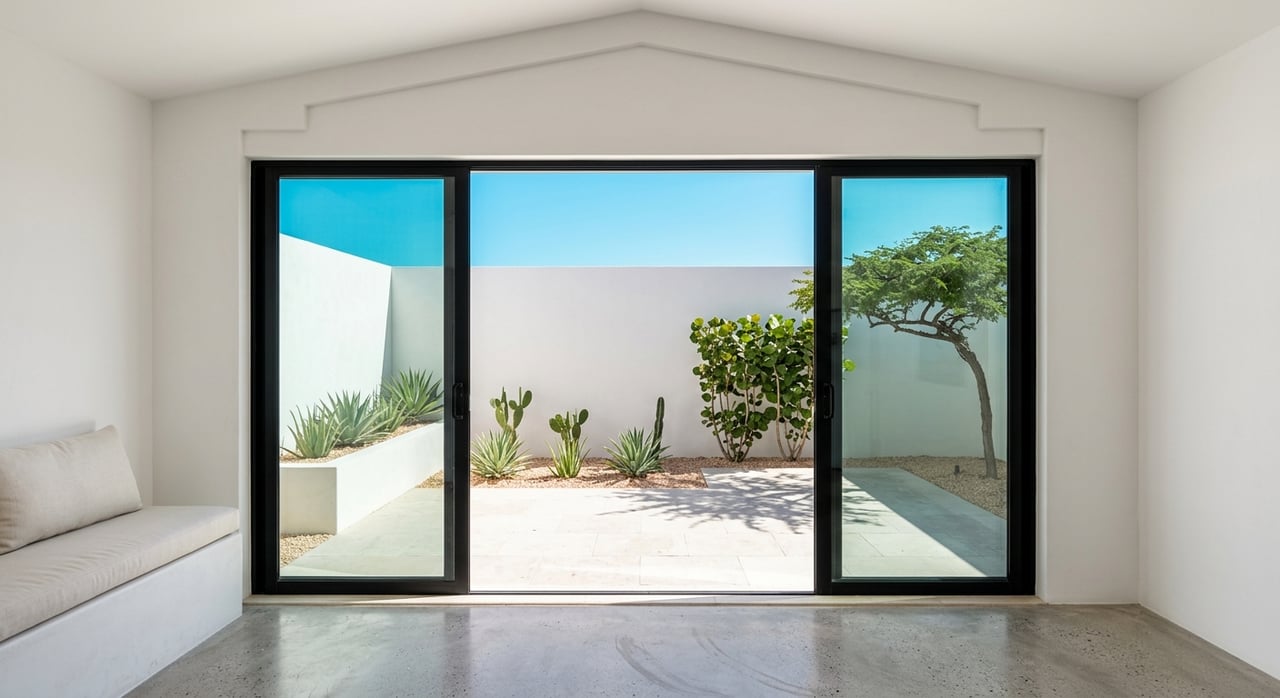
- Create semi‑enclosed courtyards on the leeward side. You’ll get ventilation with calmer air for dining and lounging.
- Favor morning and late‑afternoon sun. East‑facing dining areas feel bright without midday heat; west exposures usually need deeper shade.
Build shade in layers
Shade does the heavy lifting on Bonaire. Combine overhead coverage with vertical screening to block low‑angle sun and reduce reflected heat.
- Fixed shade: Deep overhangs, continuous covered terraces, palapas and pergolas with integrated screening are low‑maintenance and reliable.
- Adjustable shade: Operable louvers and retractable awnings or screens let you fine‑tune light and airflow as conditions change.
- Natural shade: Mature drought‑tolerant trees and trained vines cool air and surfaces while softening the landscape.
- Shade sails: Lightweight and flexible, but ensure engineered anchors sized for local wind loads and corrosion.
Manage wind without losing airflow
It’s tempting to block wind with solid walls, but that often creates turbulence and heat buildup. Aim for comfort, not complete enclosure.
- Use porous windbreaks with about 30–50% openness. Louvered screens or vegetated fences reduce wind speed while preserving ventilation.
- Stagger low and high elements. A mix of heights breaks up gusts and improves comfort.
- Place windbreaks at the right distance. Effectiveness extends several times the windbreak’s height; refine placement on site.
- Engineer connections. For sails, palapas and pergolas, use sacrificial or secure details designed for local wind events.
Choose materials that last
Bonaire’s marine environment accelerates wear on many materials. Selecting the right assemblies up front pays off in fewer repairs and a cleaner look over time.
- Metals: Use 316 marine‑grade stainless or properly powder‑coated aluminum for hardware and fittings. Avoid plain steel unless hot‑dip galvanized and protected with marine finishes.
- Fasteners: Specify 316 stainless and plan for periodic inspection and replacement.
- Timber and decking: Durable tropical hardwoods with natural oils, or high‑performance composite decking rated for UV and marine exposure, perform well when detailed correctly.
- Palapas: Excellent airflow and shade, but they need robust framing, fire‑retardant treatment and maintenance schedules. Anchor for uplift per local wind codes.
- Cool surfaces: Light‑colored roofs and decking reduce heat gain. Cool‑roof coatings on metal roofs help limit heat transfer.
- Floors: Use non‑slip, light‑toned tile or textured stone for barefoot‑friendly terraces and pool surrounds.
Detail shade structures with intent
Overhangs, louvers and sails work best when sized and detailed for sun and rain. A little precision boosts performance and longevity.
- Size overhangs to the solar path. Use solar tools or choose conservative depths combined with vertical screens.
- Design louvers for drainage. UV‑stable materials and positive water shedding prevent pooling and staining.
- Engineer anchors for wind. Shade sails and canopies need connections rated for uplift and lateral loads per local codes.
Landscape for low water use
Fresh water is precious on Bonaire, so lean into xeriscape principles that protect comfort and aesthetics while saving resources.
- Hydro‑zone plantings. Group plants by water needs; keep higher‑use beds near cisterns or permitted greywater outlets.
- Mulch and soil care. Rock, gravel or organic mulch shields roots and reduces evaporation; amend soils for infiltration where needed.
- Plant palette. Favor native and regionally adapted, salt‑tolerant and drought‑resistant species. Common, resilient choices include divi‑divi (Libidibia coriaria), agaves, aloes, succulents, bougainvillea, and salt‑tolerant shrubs and grasses. Verify local availability and any permit requirements before planting.
- Rethink lawn. Avoid large high‑water turf areas. If you want a small play surface, consider compact zones or drought‑tolerant groundcovers.
Smarter irrigation and water sources
Reduce reliance on potable water and automate where possible to avoid overwatering.
- Harvest rainwater. Size cisterns to roof area and realistic rainfall patterns.
- Use greywater where allowed. Follow local rules for treatment and distribution.
- Choose drip systems. Pair with smart controllers and soil moisture sensors for efficient delivery.
- Planting technique matters. Proper mulching and establishment reduce long‑term irrigation needs.
Pools that fit the climate
Pools can be low‑maintenance while still delivering a resort feel if you size and place them thoughtfully.
- Consider smaller plunge or splash pools for second homes. They cost less to maintain and heat.
- Tuck pools into semi‑sheltered zones. Windbreaks reduce evaporation and heat loss.
- Use covers to cut evaporation. Covers can significantly reduce water loss; check manufacturer performance data.
- Plan for corrosion. Saltwater systems are common by preference but still need regular care and corrosion‑resistant parts. Automated chemical controllers can help absentee owners.
Permits, codes and the right team
Bonaire has specific requirements for wind loads, anchoring, coastal protection and water systems. Engage local professionals early.
- Building and structural standards: Confirm wind‑load, foundation and anchoring requirements with the local building authority.
- Coastal and ecological rules: Check coastal setbacks and protected areas with the relevant environmental authorities before planting or shoreline work.
- Water systems: Verify rules on cisterns and greywater reuse; permits and health guidelines may apply.
- Hire local experts: Structural and civil engineers, architects and landscapers experienced in Bonaire’s marine environment can help you design for resilience and compliance.
Make comfort a selling point
Well‑designed outdoor rooms are a highlight for second‑home buyers. Buyers value shaded dining and kitchens with ventilation, privacy screening, low‑maintenance plantings and a manageable plunge pool.
Document choices in your listing materials to set expectations and stand out. Note durable metals, low‑water landscaping, wind‑smart shading and maintenance schedules for elements like palapas and sails.
Quick rules of thumb
- Capture the trades with ENE/E‑facing openings, then add adjustable shelter for gusty days.
- Shade first, then cool. Overhead shade plus vertical screens beats mechanical cooling for outdoor comfort.
- Aim for 30–50% porosity in windbreaks to slow wind while keeping airflow.
- Site pools in semi‑sheltered pockets and use covers to reduce evaporation.
- Specify 316 stainless, powder‑coated aluminum, durable hardwoods or composites in marine zones.
- Hydro‑zone plantings, feed drip irrigation from rainwater or permitted greywater, and automate controls.
Ready to design an outdoor space that feels effortless in Bonaire’s climate? Let’s plan a layout, material palette and landscape that works with the island, not against it. Connect with the team at Unknown Company to get started and Request a Private Consultation.
FAQs
What makes Bonaire’s climate unique for outdoor design?
- Warm temperatures, strong sun with high UV, steady ENE–E trade winds, limited freshwater, and a salty marine environment all shape how you plan shade, airflow and materials.
How should I orient terraces and courtyards on Bonaire?
- Capture trade winds on the windward side with covered terraces and create semi‑enclosed, ventilated courtyards on the leeward side for calmer dining and lounging.
What shade solutions work best in windy conditions?
- Combine fixed shade (deep overhangs, covered terraces) with adjustable elements (louvers, retractable screens). Engineer anchors for sails and palapas to local wind loads.
Which materials resist salt and sun near the coast?
- Use 316 stainless or powder‑coated aluminum for hardware, durable hardwoods or marine‑rated composites for decks, and light‑colored, non‑slip stone or tile for floors.
How do I reduce water use in landscaping on Bonaire?
- Hydro‑zone plantings, apply mulch, favor native or regionally adapted drought‑ and salt‑tolerant species, harvest rainwater, and use drip irrigation with smart controls.
What pool choices suit second homes on Bonaire?
- Smaller plunge or splash pools in semi‑sheltered spots minimize evaporation and maintenance. Use covers and consider automated chemical controllers.