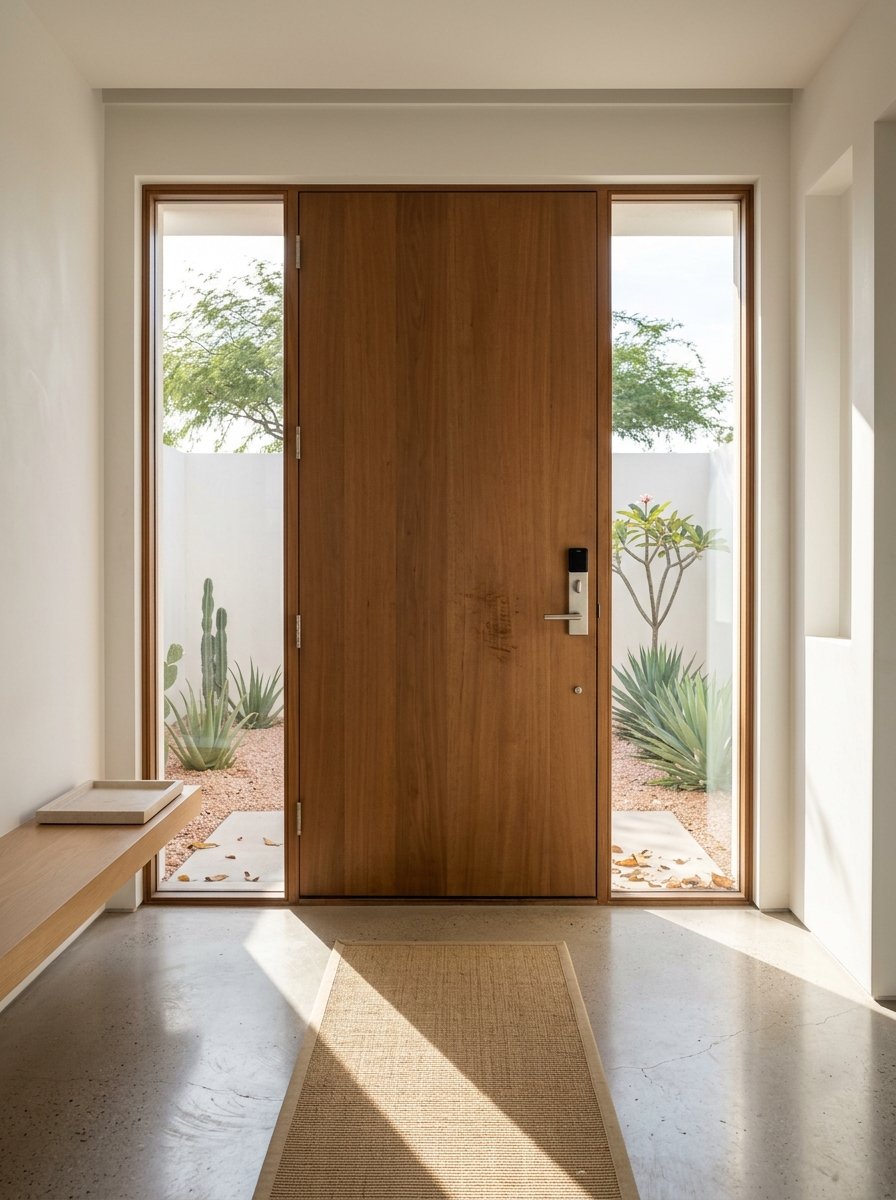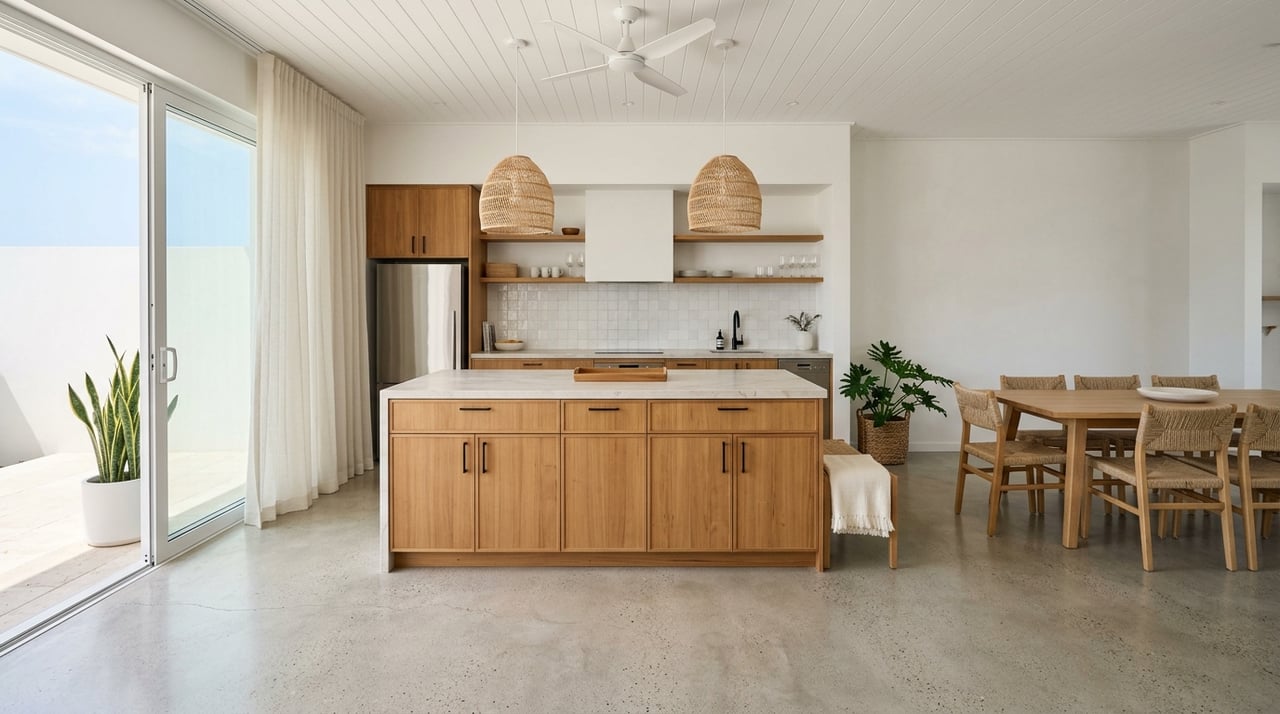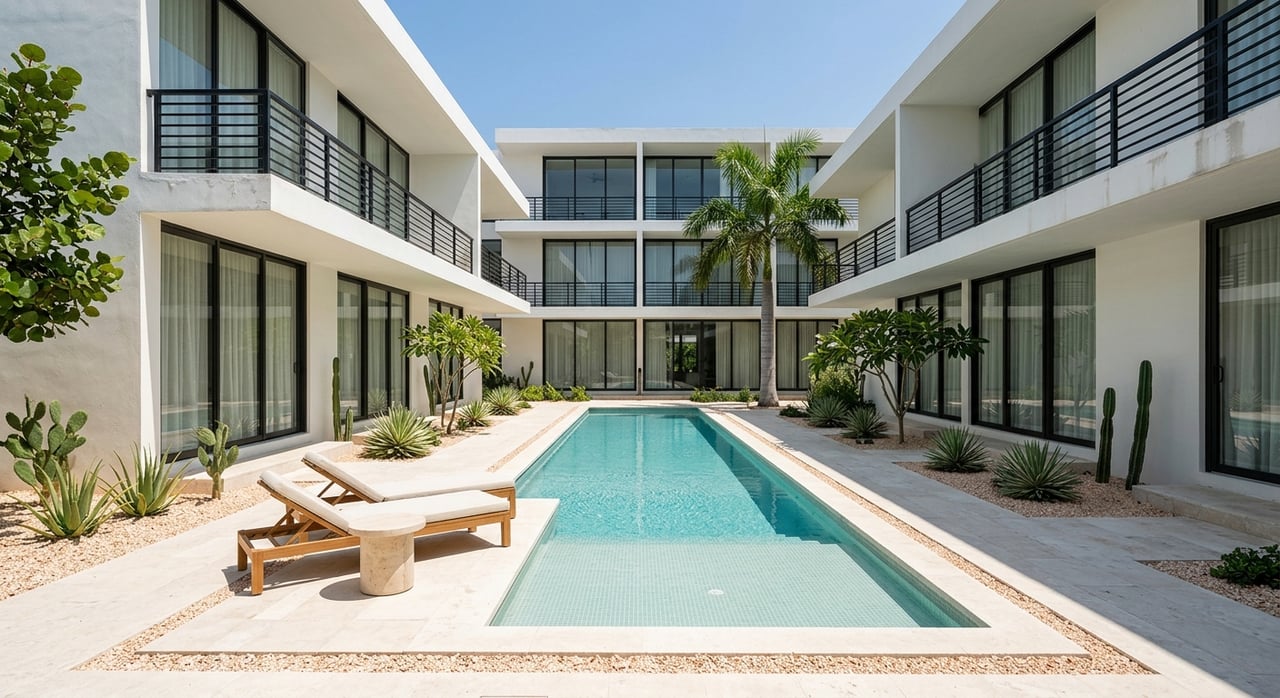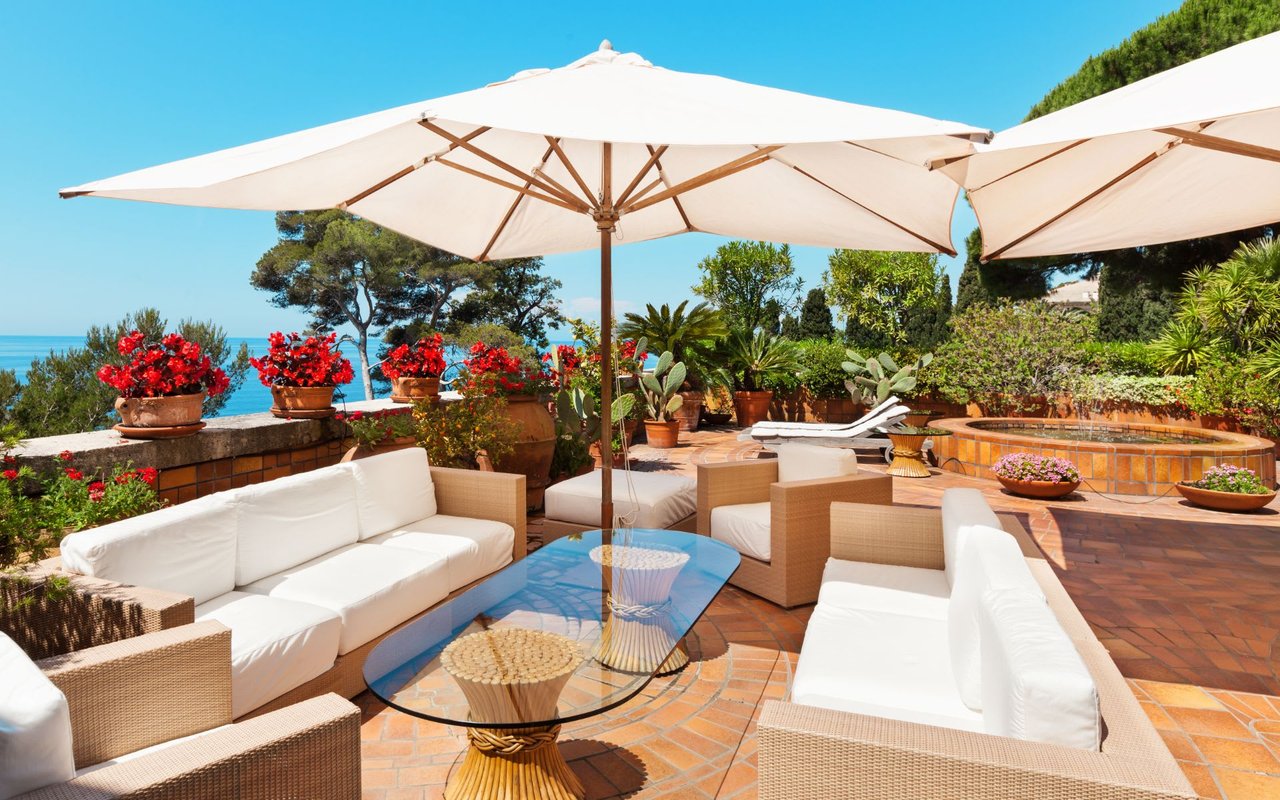
Craving calm coves, turquoise water, and fresh seafood without the bustle of Aruba’s resort strip? If you’re eyeing Savaneta, you’re in the right place. This guide helps you compare waterfront villas, village homes, and low‑rise condos so you can match your lifestyle and budget with the right address. You’ll learn current price signals, how ownership and taxes work, what living costs to expect, and a simple decision framework. Let’s dive in.
Savaneta at a glance
Savaneta is a small, historic coastal village about 20 minutes from Oranjestad. It’s known for calm snorkeling spots like Mangel Halto and beloved local seafood venues such as Zeerovers. You get a quieter, more authentic feel with quick access to the capital’s services when you need them. For a quick overview of the area’s vibe and highlights, explore the official guide to Savaneta on Aruba’s tourism site.
What you can buy in Savaneta
Savaneta’s inventory is compact yet diverse. You’ll see:
- True waterfront or beachfront villas with private outdoor living and immediate water access.
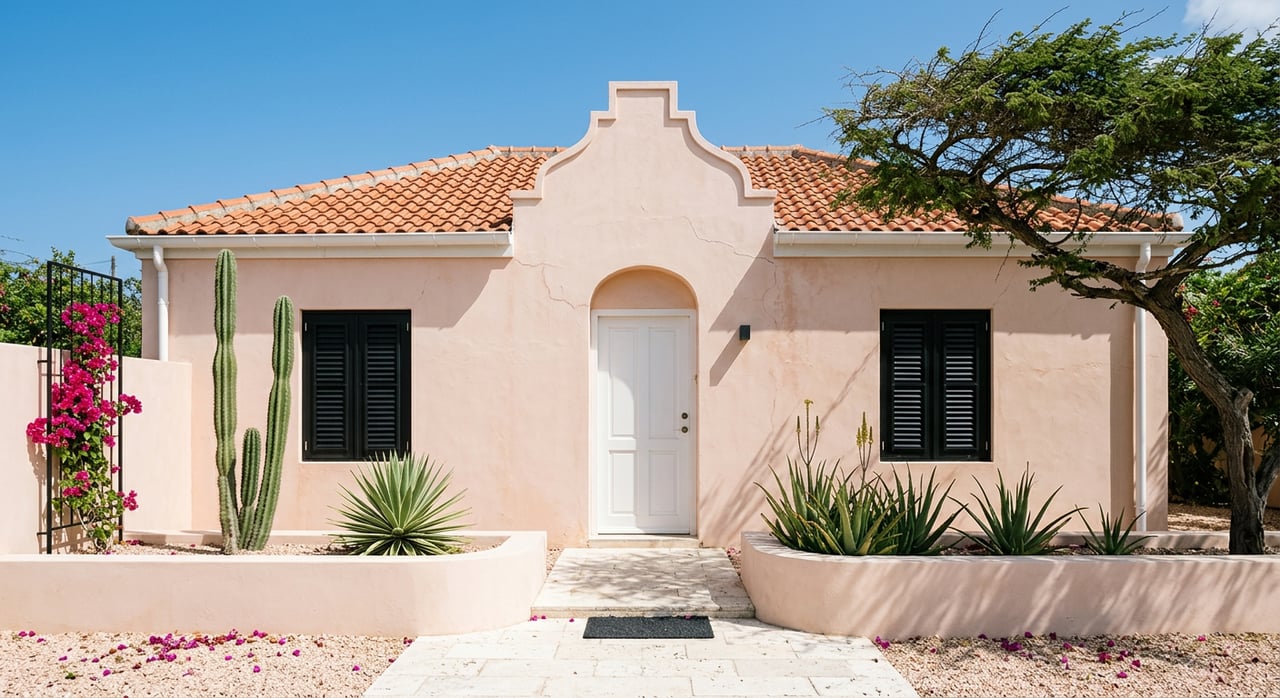
- Modest single‑family village homes, often on lease land, many in Savaneta and nearby Pos Chikito or Sero Grandi.
- Low‑rise condos and boutique developments designed for easy, lock‑and‑leave living.
Waterfront villas
If direct water access tops your list, waterfront villas deliver privacy, outdoor lounge space, and the quickest path to a snorkel or paddle. Expect larger floor plans, pools, tropical landscaping, and elevated finishes. Supply is limited, which pushes pricing to the top of the local market.
Recent public listings show the upper corridor clearly. For example, a multi‑villa beachfront package in Savaneta has been marketed around US$10.5M, with the option to buy a single villa near US$3.5M. You can see the profile and setting on the Savaneta Beachshore Serenity listing. Other waterfront offerings in and around Savaneta often appear in the low‑to‑mid millions, depending on lot position, frontage, and exclusivity.
Village homes
Village homes trade the front‑row shoreline for a calmer, local neighborhood feel and a much lower price of entry. Many sit on government lease land, so you’ll review lease terms at the notary stage. Typical homes vary widely in size and condition, from practical second‑home options to nicely updated residences.
Recent local resale activity shows many village homes and renovated houses commonly in the US$180k–US$600k range, with outliers higher for larger builds or multi‑unit configurations. If you want a standalone home base without intensive upkeep, this lane can be a smart fit.
Low‑rise condos
Boutique condo projects in Savaneta target second‑home buyers who prefer convenience. Newer buildings often offer a pool, gym, and security. Pre‑construction launches are active, and pricing varies by proximity to the water, finishes, and floor plan.
Recent pre‑construction signals for modern 1–3 bedroom units have ranged from the mid‑hundreds for smaller homes to about US$700k–US$1.0M+ for larger or premium layouts. Factor in HOA fees and any rental rules if you plan to generate income.
Costs and taxes you should expect
Understanding closing and recurring costs up front makes your search smoother and your comparisons clearer.
Transfer tax and closing costs
Aruba levies a transfer tax on real estate purchases. Under the 2023 rules, the rate is 3% on the first AWG 250,000 and 6% on the remainder. The civil‑law notary typically withholds and pays this tax at closing. Get the current thresholds and a closing cost estimate directly from your notary. For a clear overview of transfer tax mechanics, review this summary on Aruba transfer tax.
Beyond tax, buyers should budget for notary and registry fees, plus any financing‑related charges. Total buyer closing costs commonly land around 4–8% of the purchase price, depending on your structure and complexity.
Ownership and the role of the notary
Aruba allows non‑residents to buy property. Both freehold and leasehold structures are used, and many village homes sit on long‑term government lease land. Your notary confirms title, prepares the deed, and registers the transfer with the Land Registry. A deposit of about 10% is common at the purchase‑agreement stage, which the notary holds in escrow. For general guidance on ownership and buyer steps, see this local FAQ on purchasing and ownership.
Annual property tax and recurring charges
Aruba’s annual property tax is modest by many international standards, with progressive brackets and a commonly referenced top rate around 0.4% on higher‑valued residential property. Thresholds and exemptions apply. A current overview appears in the EY country guide here: Aruba personal tax overview.
Monthly running costs depend on your usage. Electricity, water, and internet for a typical 2–3 bedroom home often fall in the low‑hundreds to several hundred USD, with air‑conditioning as the biggest variable. Ask the seller for recent utility statements and usage patterns. You can also reference utility and living‑cost notes in the same purchasing FAQ.
Financing for non‑residents
Local banks do lend to non‑resident buyers, though underwriting can be stricter than in your home market. Many non‑resident products require 30–40% down and conservative debt‑to‑income thresholds. Confirm terms, rates, and fee schedules with local lenders early in your process. The FAQ on buying in Aruba is a useful starting point.
Renting your home and tax reporting
If you plan to rent short‑term, confirm current registration rules with the Aruba Tourism Authority and understand how rental income is taxed. Condo associations may impose minimum‑stay requirements or caps on rental frequency. A practical overview of living costs and compliance considerations is covered in this article on cost of living and moving to Aruba. Always verify current requirements with your notary, accountant, and HOA.
Day‑to‑day living and logistics
Savaneta’s appeal is simple: calm water, local food, and a quieter coastal rhythm. You’re close to favorite snorkel spots like Mangel Halto and within a short drive of shops and services toward Oranjestad. Many second‑home owners hire local property managers for maintenance, bill payment, and any guest turnover. If rentals are part of your plan, request actual occupancy and income records from the seller when available and review management agreements line by line.
Climate factors matter in a coastal village. Aruba sits on the southern fringe of the Atlantic hurricane belt and sees fewer direct strikes than many Caribbean islands, but coastal risk still exists. For waterfront sites, ask for insurance quotes that cover wind and storm, and inquire about flood coverage where available. Evaluate property elevation, shoreline protection, and any history of surge or erosion. Ask the seller about past claims and storm events.
Waterfront vs village vs condo
Choosing the right fit usually comes down to access, upkeep, and budget. Here is a simple way to think it through:
Waterfront villas
- Best for privacy and immediate water access.
- Highest purchase price and more complex insurance and maintenance.
- Limited supply, strong lifestyle value. See a live example here: Savaneta Beachshore Serenity.
Village homes
- Best for lower entry price and a local neighborhood feel.
- Many are leasehold. Review lease terms and renewals.
- Straightforward daily living and simpler upkeep for part‑time owners.
Low‑rise condos
- Best for lock‑and‑leave convenience with shared amenities.
- Factor HOA fees, reserve strength, and any rental restrictions.
- Newer builds may include developer warranties and modern systems.
Quick buyer checklist
Use this list to keep your search focused and your diligence clean:
- Confirm title type: freehold or leasehold. If leasehold, get the full lease text and renewal terms in writing.
- Ask the notary for the chain of title, encumbrances, and a detailed estimate of transfer tax and closing costs. A primer on calculations is here: Aruba transfer tax.
- For condos, request governance documents, the past 12 months of financials, current maintenance fees, and the reserve schedule.
- Request recent utility bills, plus insurance quotes for wind, contents, and flood if applicable. Ask the seller about any storm or flood history.
- If financing, pre‑qualify with a local bank and get the mortgage fee schedule in writing. For general context on non‑resident financing, see the purchasing FAQ.
- Planning to rent short‑term? Verify local registration, tax reporting, and any HOA rental rules. A helpful starting point is this overview of living costs and compliance.
Your next step in Savaneta
If Savaneta feels like your kind of shoreline, align your wish list with the right property type and get clear on costs early. Waterfront villas deliver the front‑row lifestyle. Village homes bring authentic, easygoing living at approachable prices. Condos make part‑time residency simple. When you are ready to refine your search, connect for property options, notary introductions, and practical guidance on financing and ownership.
Request a Private Consultation with Bold Real Estate Aruba to begin your Savaneta search with confidence.
FAQs
What makes Savaneta different from Aruba’s resort areas?
- Savaneta is a quieter coastal village with calm coves, local seafood spots, and a 20‑minute drive to Oranjestad, offering a relaxed, authentic feel compared to the resort strip. See the official Savaneta overview for context.
How much do waterfront homes in Savaneta cost right now?
- Recent listing signals show a wide corridor from low‑to‑mid millions, with select packages higher. For instance, a multi‑villa beachfront package has been marketed around US$10.5M and a single villa option near US$3.5M on Savaneta Beachshore Serenity.
What is the typical price range for village homes in Savaneta?
- Many modest single‑family and renovated homes commonly appear in the US$180k–US$600k range, with larger or multi‑unit properties sometimes higher, depending on size, lot, and condition.
Can non‑residents buy property in Aruba and what ownership types exist?
- Yes. Aruba allows non‑residents to buy both freehold and leasehold properties. A civil‑law notary handles escrow, deeds, and registration. See this buyer FAQ for an overview.
What taxes and closing costs should I budget for in Aruba?
- Transfer tax is 3% on the first AWG 250,000 and 6% on the remainder, plus notary and registry fees. Total buyer closing costs often land around 4–8% of the price. See the transfer tax guide.
How high are annual property taxes and monthly utilities in Savaneta?
- Property tax is progressive, with a commonly referenced top residential rate around 0.4%, and utilities (electricity, water, internet) for typical homes often total in the low‑hundreds to several hundred USD monthly, depending on AC usage. Review the EY summary here: Aruba personal tax overview.
Are short‑term rentals allowed in Savaneta condos and homes?
- Short‑term rentals are active, but you must comply with Aruba’s registration and tax rules, and your condo’s HOA may impose rental limits. Start with this overview of living costs and compliance and confirm details with your notary and HOA.