What makes one luxury home in Oranjestad command a clear premium over another that looks similar on paper? In this market, pricing is shaped by more than square footage or finishes alone. If you are buying, selling, or simply watching the high-end segment, understanding how Oranjestad’s character influences value can help you read the market with more confidence. Let’s dive in.
Oranjestad Offers a Different Luxury Story
Luxury in Oranjestad is not defined by a single feature. It comes from a rare mix of historic character, waterfront identity, and downtown convenience in one compact setting.
Aruba’s official tourism information describes Oranjestad as a harbor city where restored landmark buildings, museums, retail, restaurants, and the tram all shape the daily experience. The Aruba Ports Authority adds that the port sits at the water’s edge, with shopping and central streets accessible on foot. For luxury pricing, that creates a location premium that feels different from a pure beach-resort market.
In other words, buyers here are often paying for a lifestyle that blends culture, access, and scenery. That combination can make pricing more nuanced, especially when two homes offer very different types of value.
Historic Character Adds Scarcity
One of the strongest pricing influences in Oranjestad is historic architecture. Landmark properties and traditional streetscapes give parts of the city a sense of identity that newer inventory cannot easily recreate.
The Monuments Fund notes that Aruba has more than 300 historic cunucu houses and 37 protected monuments. Its historic-home guidance also explains that these homes are often smaller than non-historic properties, though some may sit on larger lots that allow room for code-compliant additions. That means buyers may place value on authenticity, lot potential, and architectural detail, not just interior size.
For sellers, this matters because a restored heritage home is rarely judged like a standard luxury property. Original elements, craftsmanship, and the story of the home can support pricing in ways that square footage alone cannot.
Buyers Price Story and Originality
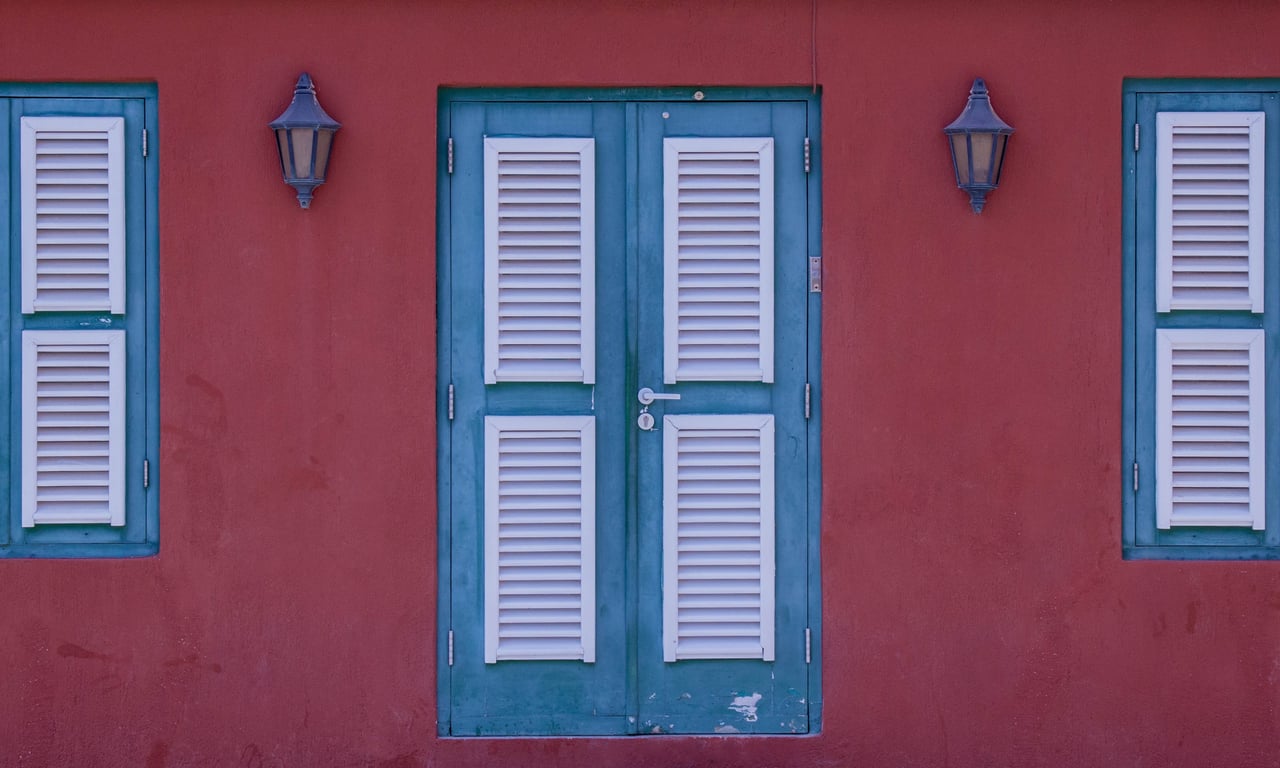
A heritage property often carries emotional appeal. The Cornelis Eman merchant’s house, for example, was restored and renovated while retaining features such as its staircase, wood floors, and ceiling.
That kind of detail is difficult to replicate in new construction. In the luxury segment, scarcity matters, and preserved architectural character can become part of the value proposition.
Preservation Also Brings Tradeoffs
Historic appeal does not mean automatic pricing power in every case. Older homes may require restoration budgets, permit reviews, and ongoing maintenance, especially if the property has protected status.
The Monuments Fund also notes that owners of historic houses may receive tax benefits, which can help offset some carrying costs. Still, buyers usually weigh charm against upkeep, and that balance can affect final pricing.
Waterfront Proximity Shapes Premiums
In Oranjestad, water still matters, but not always in the same way it does in a resort-only area. Harbor-facing views, sightlines, and proximity to the waterfront can create meaningful price differences across condos, villas, and mixed-use assets.
The Port of Oranjestad is along the water’s edge, within walking distance of shopping centers, about a 10-minute drive from beaches, and a little over two miles from the airport. It also describes Port City Oranjestad as a planned leisure, residential, and working area with a waterfront park and mixed-use commercial real estate. That reinforces the long-term value of waterfront-connected locations.
For luxury pricing, not every view is equal. A direct water view, a protected sightline, or a higher floor can justify a materially different asking price than an inland-facing alternative in the same general area.
View Quality Matters More Than Distance Alone
Two homes may be equally close to the waterfront, yet price very differently. The reason is simple: buyers tend to notice what they can actually see and experience from the property.
In Oranjestad, that often means:
- Direct harbor or coast views
- Better floor height in condo buildings
- Cleaner sightlines
- Greater privacy from public activity
- Stronger connection to the waterfront setting
This is why luxury pricing in Oranjestad often depends on micro-location rather than broad neighborhood labels.
Walkability Has Real Value
Daily convenience plays a larger role in Oranjestad than many buyers first expect. The city center is known for being easy to navigate on foot, and the tram adds another layer of access to cultural and commercial destinations.
Aruba’s tourism information says the downtown core is easy to get around by foot or tram. The Aruba Ports Authority adds that the trolley stops at museums, government buildings, and historic structures, while shopping, the main bus terminal, and other transit options sit near the cruise terminal. In a luxury market, that kind of access can support demand.
For some buyers, a home near the cultural core offers something very practical: the ability to enjoy restaurants, retail, museums, and waterfront activity without relying on a car for every outing. That lifestyle convenience can become part of the price.
Lifestyle Access Can Outweigh Size
In walkable parts of Oranjestad, buyers may accept a smaller footprint if the location delivers more ease and daily enjoyment. That is especially true for condo buyers and second-home owners who prioritize low-friction living.
For sellers, the takeaway is important. If your property offers immediate access to the city’s cultural core, that should be reflected in how value is framed and presented.
Tourism Activity Creates Winners and Tradeoffs
Tourism is part of Oranjestad’s identity, and it directly affects luxury pricing. The Aruba Ports Authority reports 505,026 cruise passengers through the Port of Oranjestad from January through May 2026, following full-year totals of 970,803 in 2024 and 897,273 in 2025.
That level of activity can support interest in well-located condos and mixed-use properties, especially when buyers value visibility, energy, or rental potential. At the same time, it can increase the premium placed on privacy, quiet, parking, and separation from heavy foot traffic.
This is one reason the same street can support very different price points. Exposure, building type, and unit orientation can all affect how a buyer perceives value.
Privacy Can Be a Luxury Feature
In a market with active tourism flow, privacy is not a small detail. It can be a major pricing lever.
Features that may support a stronger luxury position include:
- Quiet floor placement
- Buffer distance from high-traffic areas
- Secure parking or easier access
- Orientation away from the busiest pedestrian flow
- A more insulated residential feel
For buyers, these details can improve day-to-day enjoyment. For sellers, they can help justify a premium when marketed clearly.
Heritage Homes and Modern Developments Price Differently
One of the biggest mistakes in Oranjestad luxury pricing is treating all premium property types the same. Restored heritage homes and modern developments often appeal to different buyer priorities.
A restored heritage home tends to sell on scarcity, authenticity, and craftsmanship. A modern development usually competes on newer layouts, simpler maintenance, better parking, cleaner amenity packages, and a more direct expression of sea or harbor views.
That means pricing should follow the property’s strongest value stack, not a generic luxury formula.
How Heritage Homes Compete
Restored heritage homes often gain value from features such as:
- Original architectural details
- Restoration quality
- Documented maintenance
- Protected status, if applicable
- Larger lots relative to house size
- Walkability to downtown cultural destinations
These are the elements buyers cannot easily reproduce elsewhere.
How Modern Properties Compete
Modern condos, villas, and mixed-use assets near the waterfront often gain value from:
- Water or harbor views
- Higher floors and better sightlines
- Lower-maintenance ownership
- Better parking and access
- Privacy from cruise-day activity
- Clear connection to waterfront and downtown living
For many buyers, those benefits are easier to compare and price quickly.
What This Means for Sellers
If you are selling luxury property in Oranjestad, pricing by square footage alone can leave money on the table or create resistance in the market. Buyers in this segment tend to respond to a more layered value story.
A stronger pricing strategy usually starts with the property’s micro-location and amenity bundle. In Oranjestad, that may include heritage detail, waterfront access, sightline quality, walkability, privacy, parking, or insulation from tourism traffic.
The goal is not just to set a number. It is to position the property around the features buyers in this market actually pay for.
What This Means for Buyers
If you are buying, Oranjestad rewards a careful reading of context. Two luxury properties can appear close in value until you look at what truly shapes the ownership experience.
Before you compare pricing, look closely at:
- Whether the value comes from heritage, views, convenience, or privacy
- How much upkeep the property may require
- Whether the view is direct, partial, or protected
- How close the home is to the cultural core
- How tourism flow may affect daily life
When you understand these factors, you can judge pricing with far more clarity.
Why Oranjestad Commands Attention
Oranjestad’s luxury appeal comes from a combination that is hard to duplicate elsewhere in Aruba. It brings together waterfront energy, preserved character, and practical downtown access in one place.
That is why the city does not fit a one-size-fits-all pricing model. The homes that perform best are usually the ones presented and valued according to their exact setting, experience, and scarcity.
If you want to understand what your Oranjestad property is really worth, or you are looking for a luxury home that matches your priorities, we at Bold Properties Aruba, can help you navigate the market with local insight, disciplined valuation, and bespoke guidance.