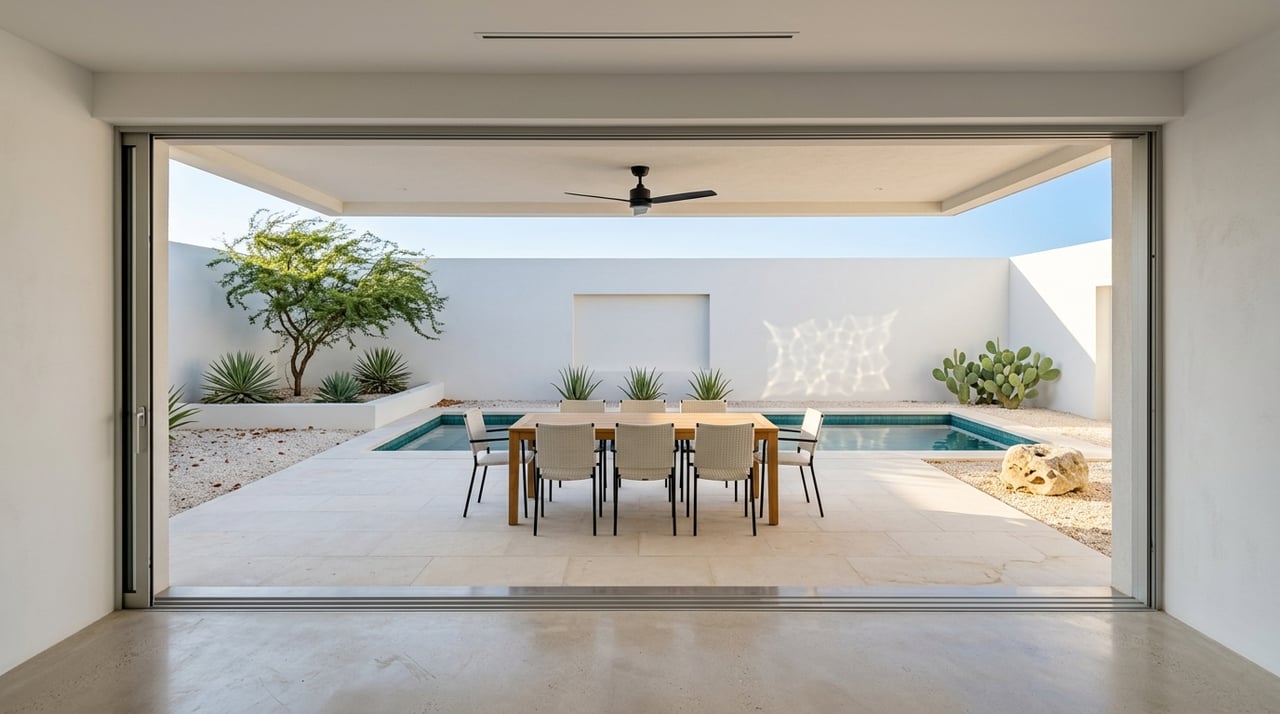
If you love the idea of open-air living but want something quieter than a beach district, Paradera stands out. This inland part of Aruba offers a different kind of lifestyle, one shaped by breezes, shade, privacy, and a strong connection to the island’s natural landscape. If you are thinking about buying, building, or updating a home here, understanding how indoor-outdoor living works in Paradera can help you make smarter design choices. Let’s dive in.
Why Paradera suits this lifestyle
Paradera sits in the central-northeastern part of Aruba and is known for a more inland, nature-oriented setting. Aruba Tourism describes the area through places like Shiribana, Ayo, Bloemond, and Piedra Plat, along with local businesses, horse ranches, and recognizable landmarks such as Hooiberg, Casibari, and Ayo.
That setting naturally supports a home design style that feels grounded, calm, and connected to the outdoors. Instead of leaning on beachfront spectacle, Paradera often appeals to buyers who want views, open space, and a more residential atmosphere.
Aruba Tourism also notes that Paradera has no resorts, with holiday rentals being the closest equivalent. That detail helps explain why homes here can feel more private and more rooted in everyday island living.
Climate shapes the floor plan
Aruba’s climate is a major reason indoor-outdoor living works so well here. Official island facts classify Aruba as tropical semi-arid, with warm, sunny weather year-round and occasional brief rainfall.
Official climatological normals from the Aruba Meteorological Department show an average annual temperature of 28.1°C, annual rainfall of 471.7 mm, and average wind speed of 7.3 m/s at Beatrix Airport. Aruba’s weather information also notes that trade winds are almost always present.
For you as a homeowner or buyer, those conditions point toward one big takeaway: homes in Paradera often work best when they are designed to welcome shade and breezes rather than block them out. That is why covered terraces, operable openings, and cross-ventilated rooms make so much sense in this location.
Indoor-outdoor living means more than a patio
In Paradera, outdoor space is often treated as part of the home’s daily living area, not just an extra feature. Public brokerage examples in the area repeatedly highlight patios, pools, and terraces as central parts of the layout.
One example centers the living room on a patio and pool through sliding glass doors. Another includes a guest apartment and private pool, while a cunucu-style residence emphasizes private patios and a swimming pool.
Taken together, those examples suggest a clear pattern. In Paradera, the most successful homes often blur the line between interior rooms and outdoor gathering spaces.
Key features that fit Paradera homes
Covered terraces and verandas
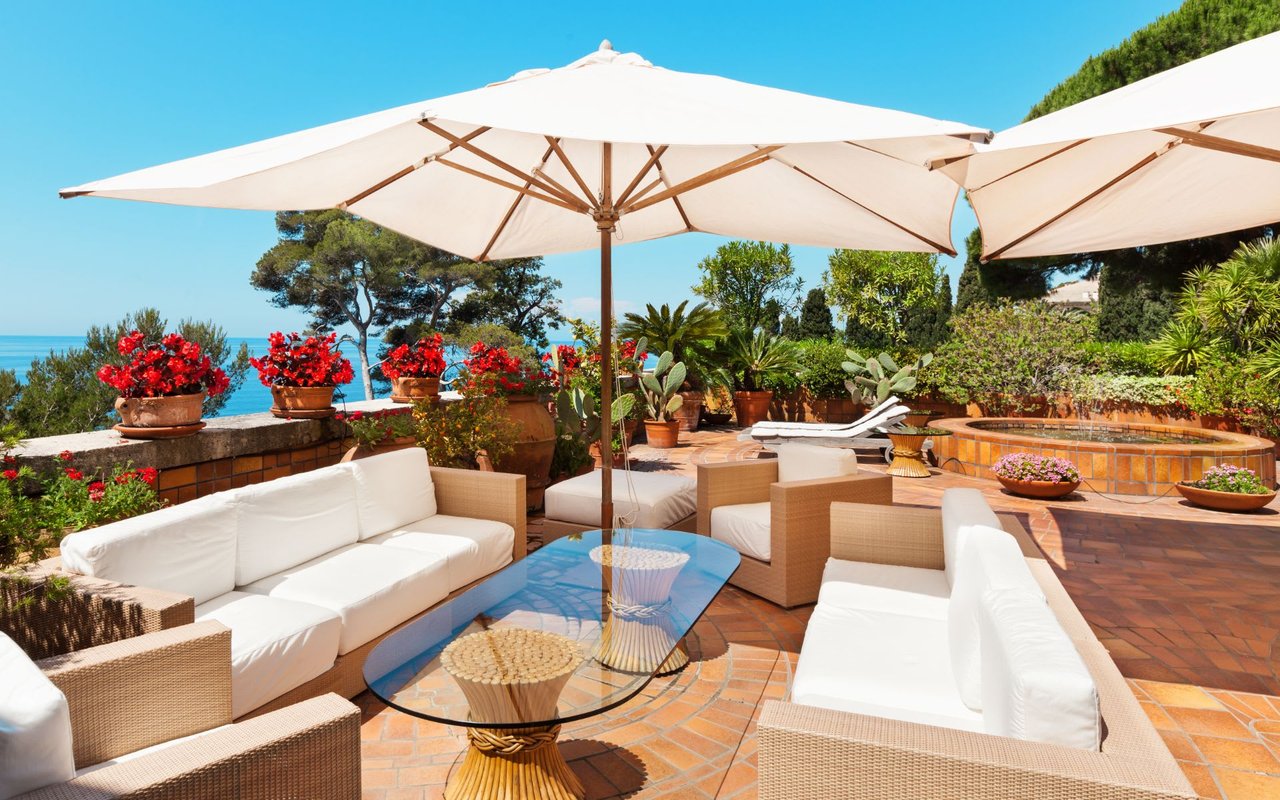
A shaded outdoor room can make a big difference in daily comfort. Deep overhangs, verandas, and covered galleries help keep outdoor spaces usable during the brightest and warmest parts of the day.
This approach also aligns with traditional Aruban design references. Aruba Tourism’s historic architecture coverage describes the traditional cunucu house as a meaningful expression of Aruban architecture, with the front porch and stone benches serving as signature features.
If you are evaluating a home or planning a build, look for outdoor areas that feel intentional rather than leftover. A well-sized covered terrace can function like a second living room for dining, relaxing, or entertaining.
Cross-breezes through large openings
Because trade winds are a consistent part of Aruba’s climate, airflow matters. Large openings on opposite walls can help encourage cross-breezes and create a more comfortable interior feel.
In practical terms, this may look like sliding glass doors that open to a terrace, paired with windows or doors on the opposite side of the room. The goal is not simply more glass. It is better movement between indoor space, outdoor space, and natural ventilation.
For many buyers, this feature adds both comfort and atmosphere. A breezy home often feels more in tune with the island.
Courtyards and pool courts
A courtyard or pool-centered layout can be especially effective in Paradera. It keeps the home open to light and air while also creating a sense of privacy.
This design direction fits what current listings already show. Pool areas and private patios appear again and again, suggesting that many homes in Paradera use enclosed or semi-enclosed outdoor zones as the heart of the property.
If privacy matters to you, this is a smart layout to consider. It creates an outdoor focal point without requiring the home to feel exposed.
Drought-tolerant landscape design
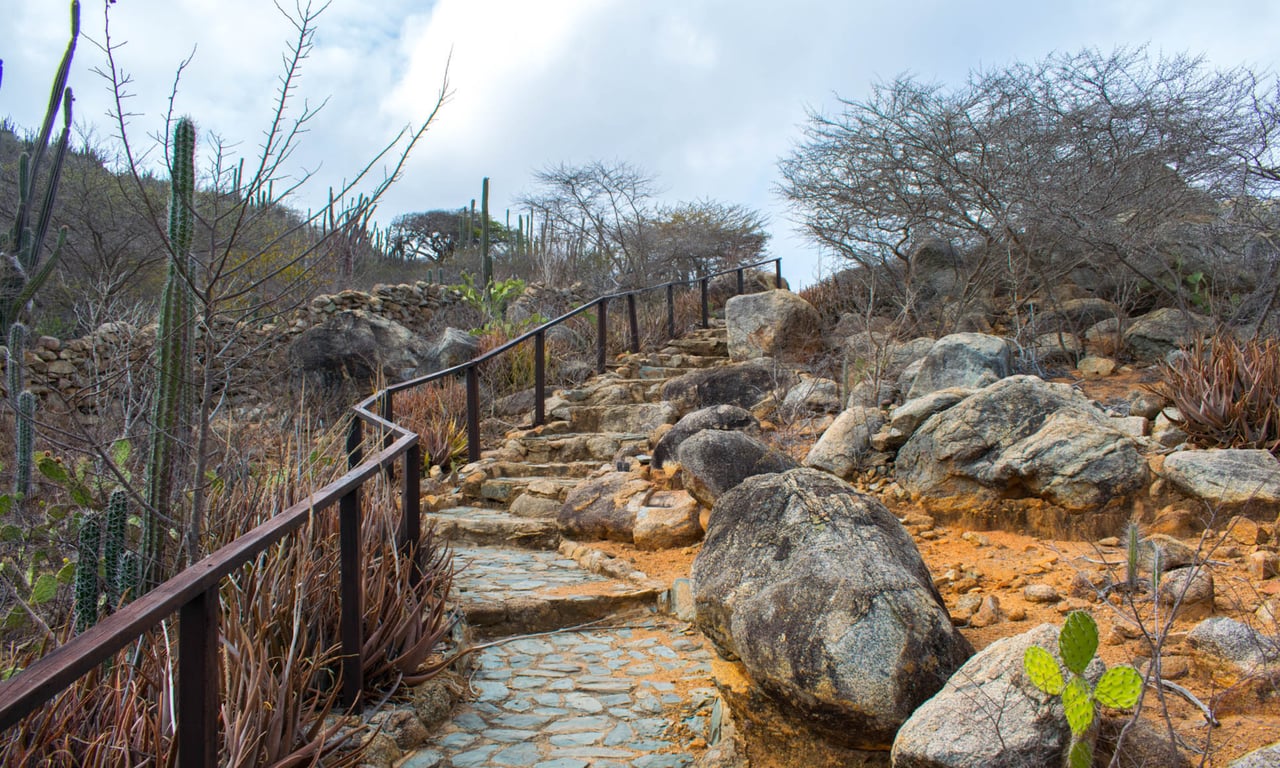
Paradera’s identity is closely tied to Aruba’s semi-arid climate and rock-shaped terrain. The district’s connection to places like Casibari and Ayo reinforces a landscape language of stone, texture, and native character.
That is why rock-garden planting and drought-tolerant landscaping feel especially appropriate here. They can complement the home’s architecture while also making the outdoor environment feel cohesive with the surrounding setting.
A landscape plan in Paradera often works best when it feels edited and purposeful. Clean hardscape lines, stone elements, and planting that suits the climate can create a polished result without fighting the environment.
Traditional cues still feel relevant
Paradera does not call for a one-style-only approach. Public listings show a mix that includes villas, pool homes, land parcels, and cunucu-style residences, which suggests the district supports both custom builds and established homes.
That flexibility is part of the appeal. You can see how modern tropical design and traditional Aruban elements can work together in a way that feels natural rather than forced.
For example, a home might combine wide overhangs, broad glazing, and a clean-edge pool with heritage-inspired porch living or semi-open gathering spaces. In Paradera, the strongest designs often respect the climate and setting first, then express style through materials and layout.
Lot size changes your options
If you are wondering how much land you need to create a true indoor-outdoor home, the answer is that there is no single standard. Public brokerage examples in Paradera range from about 227 m² and 666 m² to 856 m², 1,954 m², 2,541 m², and even 12,171 m².
Because those are listing examples rather than a full market average, they are best read as proof of range. Still, they show that Paradera can accommodate different property types and design ambitions.
On a smaller parcel, you might focus on a compact courtyard, plunge pool, and covered terrace. On a larger parcel, you may have room for a guest house, broader pool court, layered landscaping, or a longer approach that adds privacy.
What buyers should look for
If you are shopping for a home in Paradera, it helps to look beyond square footage alone. The real question is how well the home uses its setting.
A few features can signal strong indoor-outdoor design:
- Covered outdoor living space with meaningful shade
- Openings positioned to capture trade winds
- A patio, courtyard, or pool area that connects directly to main living spaces
- Layouts that balance openness with privacy
- Materials and landscaping that fit Aruba’s semi-arid environment
You may also want to pay attention to how the house meets the land. In a district known for interior landscapes and natural landmarks, the most memorable homes often feel settled into their site rather than placed on top of it.
Why Paradera feels distinct
For many buyers, Paradera offers a version of Aruba living that feels more peaceful and more personal. Hooiberg, which rises 540 feet from the center of the island, acts as a visual anchor for the district, while Casibari and Ayo add to its boulder-rich, nature-driven character.
That backdrop shapes the experience of home. Instead of designing around a beachfront edge, homes in Paradera can be designed around courtyards, breezeways, terraces, and framed views of the island’s inland beauty.
That is what makes indoor-outdoor living here so compelling. It is not about excess. It is about creating a home that feels comfortable, open, and deeply connected to place.
If you are exploring homes, land, or design-forward opportunities in Paradera, working with a brokerage that understands both lifestyle value and property potential matters. To discuss your goals, connect with Bold Real Estate Aruba and request a private consultation.
FAQs
What makes Paradera homes well suited for indoor-outdoor living?
- Paradera’s warm, sunny climate, steady trade winds, and more private inland setting make features like covered terraces, cross-breezes, and courtyard layouts especially practical.
What design features should you prioritize in a Paradera home?
- Look for shaded verandas, large operable openings, direct connections between living rooms and patios, and landscaping that fits Aruba’s semi-arid environment.
What is distinctive about Paradera compared with Aruba beach districts?
- Paradera offers a quieter, more residential inland setting shaped by landmarks like Hooiberg, Casibari, and Ayo, rather than resort density.
What lot sizes can you find in Paradera for custom indoor-outdoor design?
- Public listing examples show a wide range, from a few hundred square meters to parcels over 12,000 m², which suggests flexibility for both compact and expansive home concepts.
What traditional Aruban design ideas fit Paradera homes?
- Traditional cues such as front porches, verandas, breezeways, and semi-open gathering spaces fit naturally with Paradera’s climate and landscape.
What should you focus on when buying a Paradera property?
- Focus on how the home uses shade, airflow, privacy, and outdoor living areas, since those features often matter as much as the interior square footage.